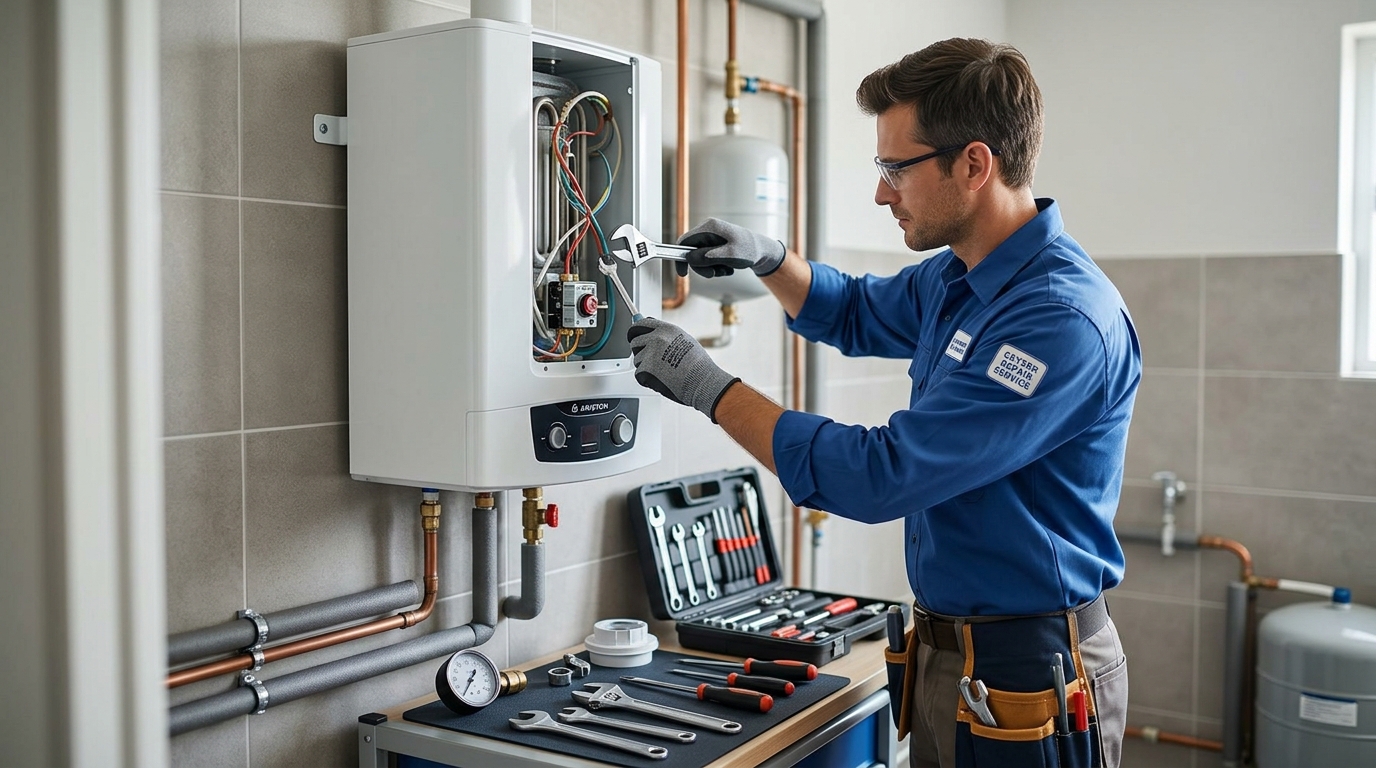
Recognizing when your geyser needs professional attention is key to maintaining comfort and safety in your home. From sudden cold showers to alarming noises, understanding these indicators can help you seek timely Geyser service and avoid bigger issues down the line. Ignoring these warning signs can lead to increased energy bills, extensive water damage, or even potential safety hazards. This guide will walk you through common geyser problems, explain why addressing them quickly is important, and outline what to look for when choosing a reliable repair service in Khordha.
Spotting Geyser Troubles Early
Your geyser is a crucial appliance, especially during cooler months. Being observant of its performance can help you catch problems before they escalate. Here are the five most common signs that indicate your geyser requires professional repair.
No Hot Water or Inconsistent Heating
This is perhaps the most obvious sign that something is amiss. If your geyser isn't producing any hot water at all, or if the water temperature fluctuates wildly, it's a clear indicator of an internal issue. Common culprits include a malfunctioning heating element, a faulty thermostat, or a tripped circuit breaker. While a quick check of your electrical panel might resolve a tripped breaker, persistent issues usually require an expert diagnosis.
Visible Leaks or Drips Around Your Geyser
Any water pooling around the base of your geyser or dripping from its connections is a serious concern. Leaks can range from minor drips from pressure relief valves or pipe connections to more significant breaches in the tank itself. While loose connections can often be tightened, a leaking tank typically signals a major problem, potentially requiring a full replacement. Ignoring leaks can lead to significant water damage to your property and foster mold growth.
Strange Noises Emanating from the Tank
Geysers usually operate quietly. If you start hearing unusual noises like popping, rumbling, hissing, or crackling, it’s a strong sign of trouble. These sounds often indicate a buildup of sediment at the bottom of the tank, which can cause the heating element to work harder and overheat. Over time, this sediment can reduce the geyser's efficiency and lifespan. Hissing might also point to a leak or excessive pressure within the tank.
Discolored or Foul-Smelling Hot Water
Your hot water should be clear and odorless. If the water coming out of your hot taps appears rusty, cloudy, or has a metallic taste, it often suggests corrosion inside the geyser tank or the deterioration of the anode rod. A sulfuric, rotten-egg smell usually points to bacterial growth within the tank, which can be particularly unpleasant and requires specific treatment.
Unexpectedly High Electricity Bills
If your electricity bills suddenly spike without a change in usage patterns, your geyser could be the culprit. An aging or inefficient geyser might be working overtime to heat water, consuming more energy than necessary. This inefficiency can be due to a failing heating element, poor insulation, or excessive sediment buildup that forces the unit to consume more power to reach the desired temperature.
The Risks of Delaying Geyser Repair
Procrastinating on geyser repairs can lead to a cascade of problems, impacting not just your comfort but also your budget and safety. Understanding these potential consequences highlights why timely intervention is essential.
Safety Hazards from Neglected Geysers
A faulty geyser can pose serious safety risks. Electrical issues can lead to short circuits, fires, or electric shocks. For gas geysers, a malfunction could result in carbon monoxide leaks, which are colorless and odorless but highly dangerous. Even electric geysers with internal pressure problems can become hazardous if not addressed, potentially leading to ruptures or scalding water incidents.
Increased Energy Consumption and Costs
An inefficient geyser constantly struggles to heat water, drawing excessive electricity or gas. What might start as a small issue, like a minor leak or sediment buildup, quickly translates into higher utility bills. Over time, these additional costs can easily outweigh the expense of a professional repair. Addressing the problem promptly restores efficiency and helps keep your household budget in check.
Potential for Costlier Damage and Replacements
Small problems have a tendency to become big ones if ignored. A minor leak, if left unattended, can lead to severe water damage to floors, walls, and ceilings, potentially necessitating expensive structural repairs. Similarly, a struggling heating element might eventually burn out, damaging other components and possibly requiring a complete geyser replacement, which is far more costly than a simple part swap.
Disruption to Daily Comfort and Routine
Beyond the financial and safety implications, a malfunctioning geyser severely impacts your daily life. Cold showers are inconvenient and uncomfortable, particularly during cooler weather. The inability to wash dishes with hot water or properly sanitize clothes can disrupt your household routine and affect hygiene. Relying on an unpredictable hot water supply adds unnecessary stress to your day.
Choosing a Reliable Geyser Repair Service in Khordha
When faced with geyser problems, finding a trustworthy and skilled repair service is paramount. Here’s what to look for and what to expect during the repair process, especially for residents in Khordha.
What to Look for in a Professional Service
Selecting the right geyser repair professional can make all the difference. Always prioritize services with a strong local reputation in Khordha, evidenced by positive customer reviews and testimonials. Ensure technicians are certified and experienced, capable of working on various geyser brands and models. Look for companies that offer transparent pricing, provide detailed estimates before starting work, and back their repairs with a warranty on parts and labor. A clear understanding of their service charges, including any call-out fees, is essential.
Understanding Typical Geyser Repair Costs and Timeframes
Geyser repair costs can vary significantly depending on the nature of the problem, the required parts, and the complexity of the job. For minor issues like a thermostat adjustment or a small connection leak, you might expect to pay anywhere from ₹500 to ₹1,500. Replacing a heating element or anode rod typically falls in the ₹1,500 to ₹3,500 range, including parts and labor. More complex repairs, such as repairing a significant tank leak (if feasible) or replacing a sophisticated PCB in advanced models, could range from ₹3,000 to ₹7,000 or more. Many services also charge a nominal diagnosis or call-out fee, often waived if you proceed with the repair.
Regarding timeframes, simple repairs can often be completed within 1 to 2 hours. More involved part replacements, assuming the technician has the part on hand, might take 2 to 4 hours. If a specific part needs to be ordered, the repair time could extend to several days, depending on availability. Always confirm the estimated duration with your technician.
The Geyser Repair Process Explained
When you call a geyser repair service, the process generally follows a structured approach. First, a technician will visit your home to diagnose the problem accurately. They will inspect the geyser, identify the cause of the malfunction, and explain their findings to you. Next, they will provide a detailed quote outlining the necessary repairs and associated costs. Upon your approval, the technician will proceed with the repair, using quality parts and professional techniques. Once the repair is complete, they will thoroughly test the geyser to ensure it is functioning correctly and safely, before cleaning up the work area. You can expect a professional service to clearly communicate each step.
Essential Questions to Ask Your Geyser Technician
Before any work begins, don't hesitate to ask your technician a few key questions. Inquire about the exact nature of the problem, how they intend to fix it, and what specific parts will be used. Ask for a detailed breakdown of the costs, separating labor from parts. It's also crucial to understand if the repair comes with any warranty on the parts installed or the labor performed. Finally, ask about preventative measures you can take to avoid similar issues in the future.
Basic Checks to Perform Before Calling for Service
Sometimes, what seems like a major geyser problem can be a simple fix. Before calling a professional, check if the geyser's power switch is on and if the circuit breaker hasn't tripped. For electric geysers, ensure the thermostat isn't set too low. For gas geysers, verify that the gas supply is active and the pilot light (if applicable) is lit. These basic checks can sometimes save you a service call.
Maintaining Your Geyser for Longevity
Regular maintenance is key to extending your geyser's lifespan and ensuring its efficient operation. Annually flushing the tank helps remove sediment buildup, which is a common cause of inefficiency and strange noises. Inspecting and replacing the anode rod every few years prevents internal tank corrosion. Setting your geyser to an optimal temperature (around 50-60°C) can also reduce energy consumption and prevent scalding while minimizing stress on the unit. Professional servicing, even for routine checks, can catch potential problems early and keep your geyser running smoothly for years to come.