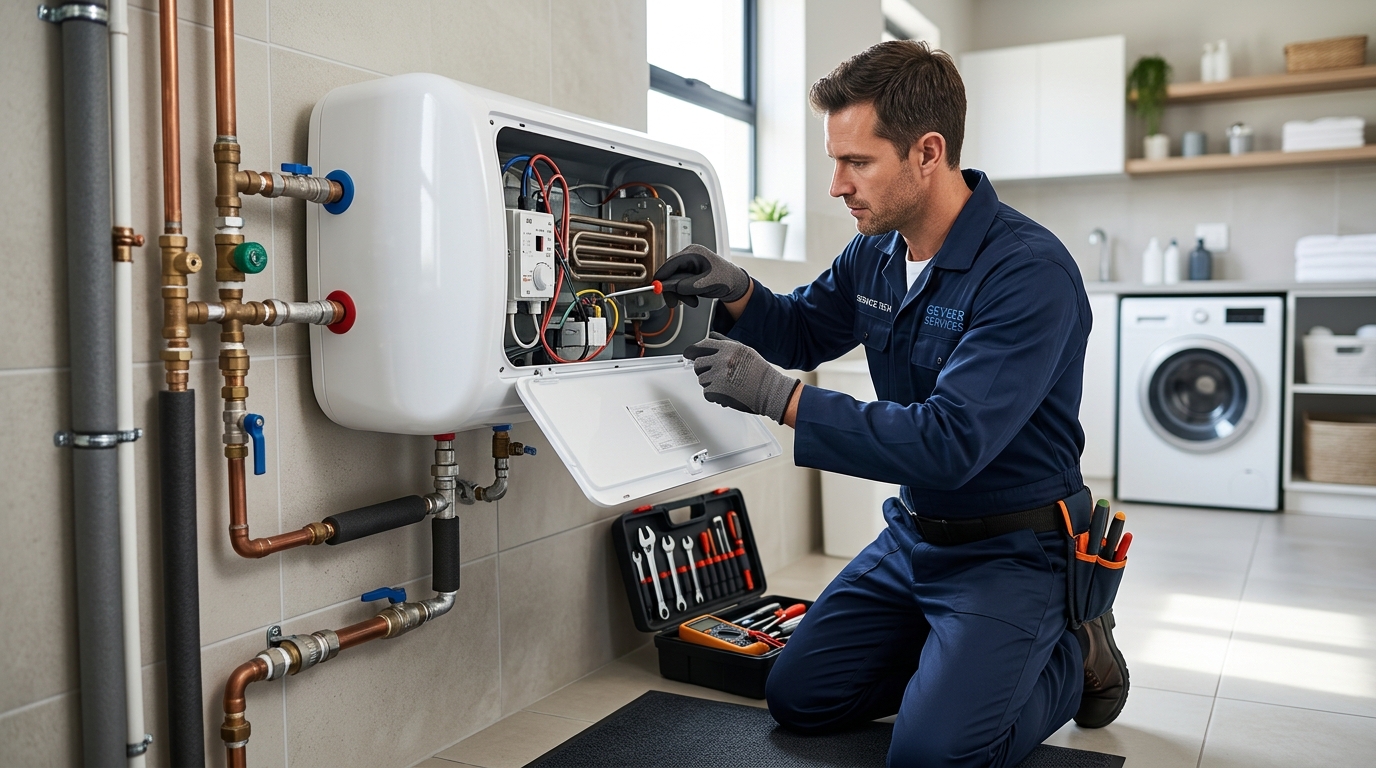
Finding reliable geyser service near you involves knowing what critical aspects to evaluate before booking. A faulty geyser can quickly turn daily routines into a chilly inconvenience, from unexpected cold showers to concerning leaks. When your geyser starts acting up, swift and professional intervention is key to restoring warmth and preventing further damage and discomfort.
For prompt and expert solutions in Pimpri-Chinchwad, consider reaching out to trusted professionals for your Geyser repair needs. Understanding what to look for in a service provider ensures safety, efficiency, and long-lasting performance for your home's water heating system. This guide will walk you through recognizing problems, choosing the right technician, and maintaining your unit.
Understanding Common Geyser Problems and the Need for Expertise
Identifying the Signals Your Geyser Needs Attention
Before you search for geyser service, recognize the common red flags that indicate an issue. The most obvious sign is a complete lack of hot water, or water that's only lukewarm. This often points to a faulty heating element or thermostat problem, which means your geyser isn't effectively raising water temperature.
Listen for unusual noises emanating from the geyser. Rumbling, popping, or banging sounds suggest sediment buildup inside the tank, which can reduce efficiency, cause corrosion, and even damage components over time. These noises are a clear indicator that your geyser is struggling.
Any visible leaks, even small drips, are serious indicators of tank corrosion, loose connections, or a failing pressure relief valve that require immediate attention. Ignoring a leak can lead to significant water damage to your property and higher water bills.
Rusty or discolored hot water means the anode rod, which protects the tank from corrosion, may be depleted and the tank itself could be deteriorating. A sulfur-like smell from your hot water could signal bacterial growth inside the tank, a hygiene concern. Ignoring these warning signs not only compromises your comfort but can also lead to higher energy bills, extensive water damage, or even serious safety hazards like tank ruptures.
Why Professional Geyser Repair is Indispensable in Pimpri-Chinchwad
Attempting DIY geyser repairs can be dangerous and costly. Geysers involve high voltage electricity and pressurized water, posing significant risks of electric shock, scalding injuries, or extensive water damage if not handled correctly. Without proper knowledge and tools, you could exacerbate the problem or create new ones.
Moreover, improper repairs can void your appliance's warranty, leaving you responsible for future, potentially more expensive, fixes that would otherwise be covered. A professional technician brings not only skill but also the correct diagnostic equipment and genuine parts, ensuring the repair complies with manufacturer standards.
In Pimpri-Chinchwad, residents often deal with water quality that can lead to specific geyser issues like limescale buildup, which professionals are accustomed to addressing. A professional technician understands these local nuances. They possess the specialized tools, training, and certifications to accurately diagnose problems and execute repairs safely, efficiently, and effectively. Their expertise ensures the repair is done right the first time, extending your geyser's lifespan and maintaining your family's safety and comfort.
Selecting a Qualified Geyser Service Provider
Essential Questions Before Hiring a Technician
Selecting the right service provider is crucial for a successful repair. Start by inquiring about their certifications and licensing; this ensures they meet industry standards and are qualified to work with electrical and plumbing systems. A licensed technician demonstrates a commitment to professional practice and adherence to safety regulations.
Ask about their experience with various geyser types, including electric, gas, and instant models, to confirm their versatility. A technician with broad experience is more likely to quickly diagnose unusual problems regardless of your geyser's make or model. Also, ask about their experience specifically with common issues in your local area, like hard water challenges.
Transparency in pricing is non-negotiable. Request a detailed, written estimate before any work begins, outlining labor costs, parts, and any additional fees. This helps avoid unexpected charges and allows you to compare quotes fairly. Be wary of technicians who are reluctant to provide a written estimate or demand payment upfront without a clear breakdown of services.
Furthermore, always ask about warranties on both parts and labor. A reputable service offers guarantees on their work, assuring you of their commitment to quality and providing reassurance should an issue recur within a specified period. This coverage reflects confidence in their repairs and protects your investment.
What to Anticipate During a Geyser Service Appointment
The time required for geyser service varies depending on the issue's complexity. A basic diagnosis might take 30-60 minutes as the technician inspects components and identifies the root cause. Common repairs like replacing a heating element or thermostat usually take 1 to 2 hours. Fixing a minor leak or replacing an anode rod can often be completed within an hour or two, assuming parts are readily available. More complex issues or tank replacements could take longer.
Regarding costs, prices fluctuate based on the specific repair, the cost of parts needed, and the technician's hourly rates. For minor issues like thermostat recalibration or small leak fixes, you might expect to pay in the range of ₹500 to ₹1500. Replacing major components such as a heating element or pressure relief valve could cost between ₹1500 and ₹4000 or more, including both parts and labor. These figures are estimates, and a professional assessment will provide an exact quote based on your specific situation.
A quality geyser service appointment should be thorough and transparent. It typically begins with an initial safety check, ensuring all electrical connections, earthing, and water supply valves are secure and functional. The technician will then perform a detailed inspection of the geyser's tank, heating elements, thermostat, pressure relief valve, and all associated wiring and pipes. They will also check for sediment buildup and corrosion.
Following the inspection, they will clearly explain the problem, the proposed solution, and the cost involved, giving you the opportunity to ask questions. Upon your approval, they will proceed with the repair using genuine replacement parts to ensure compatibility and longevity. After completing the work, the geyser's functionality will be rigorously tested to confirm proper heating, absence of leaks, and correct pressure levels. A good service also includes a quick cleanup of the work area and offers valuable maintenance tips to prevent future problems.
Maximizing Geyser Lifespan Through Proactive Maintenance
Practical Steps for Long-Term Geyser Health
Beyond reactive repairs, proactive maintenance is vital for geyser longevity and efficiency. Regular descaling, particularly important in areas like Pimpri-Chinchwad with hard water, prevents mineral buildup that can reduce heating efficiency, increase energy consumption, and damage heating elements over time. Descaling helps maintain optimal performance and prevents premature component failure.
Flushing the geyser tank annually helps remove sediment accumulation at the bottom, which contributes to those rumbling noises and decreased performance. Sediment acts as an insulator, forcing the heating element to work harder and increasing energy costs. A clear tank ensures maximum heating efficiency.
Periodically inspect the pressure relief valve (PRV) to ensure it's functioning correctly. This small but critical component prevents dangerous pressure buildup inside the tank, which could lead to a rupture. A quick test of the PRV a couple of times a year can prevent a serious safety hazard.
An annual professional inspection can catch minor issues before they escalate into major breakdowns. During this visit, a technician can check the anode rod (which prevents tank corrosion), inspect all electrical and plumbing connections, and verify thermostat accuracy. These simple, consistent steps can significantly extend your geyser's life, save you money on energy bills, and ensure a consistent, reliable supply of hot water for your household.