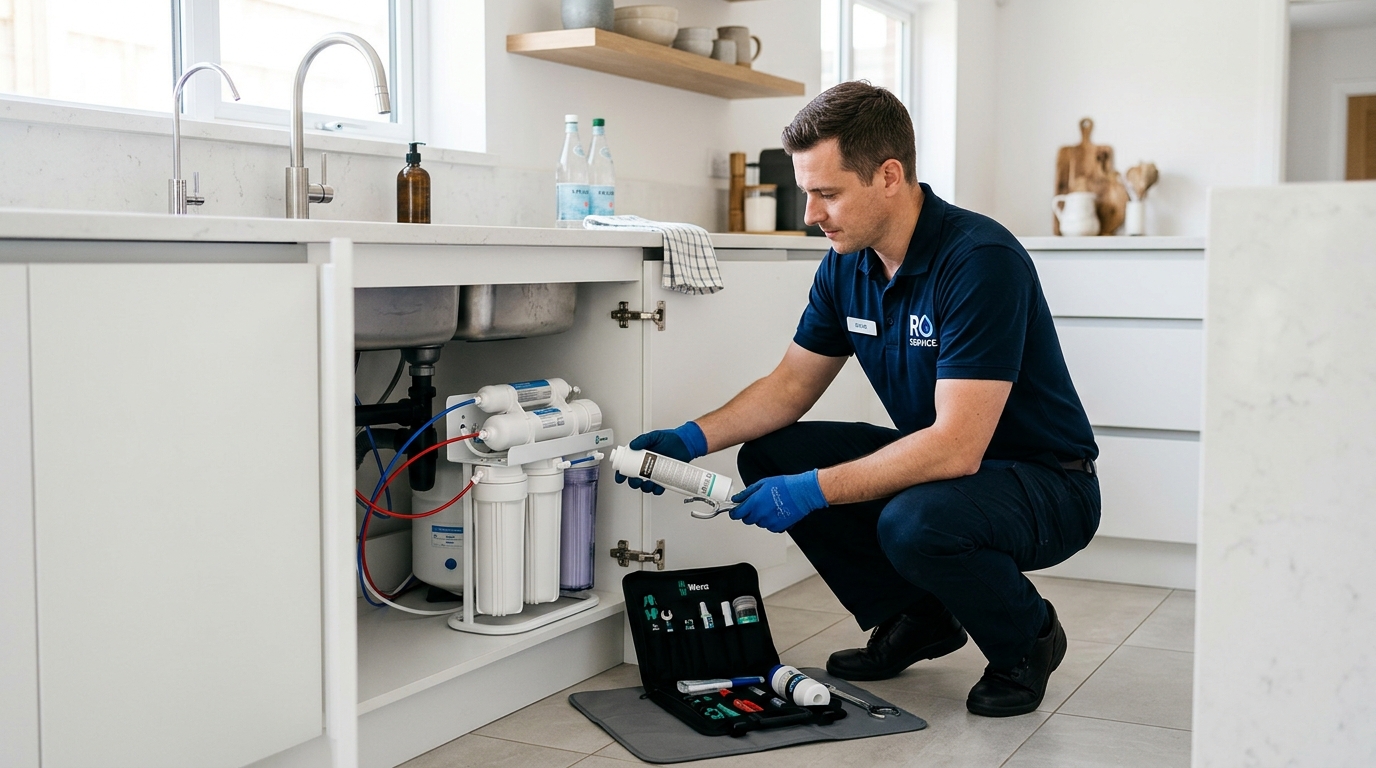
Finding Help When Your RO System Fails
Imagine reaching for a glass of water, only to find that your RO water purifier isn’t working. In a region like Kharar, where water quality can be a concern, the increasing reliance on purified water makes a malfunctioning system both frustrating and concerning. Access to clean, safe drinking water is not just a convenience but a daily necessity for health and well-being. Fortunately, there are reliable solutions available for residents in Kharar who find themselves needing prompt RO service. From RO Repair to ongoing maintenance, various options cater to your needs — and with the right RO service near me, you can get your system back in shape quickly, ensuring your family's access to vital hydration. For ongoing support and to preempt future issues, consider exploring an ro amc plan that ensures regular check-ups and priority service, offering sustained protection for your appliance and your health.
Common Signs Your RO System Needs Attention
One of the most critical aspects of maintaining your water purifier is recognizing when it requires service. Early detection of issues can prevent minor problems from escalating into costly repairs or, worse, compromising your family's health. Some common signs include:
- Unusual noises: If you hear unexpected sounds during operation, it could indicate a mechanical issue. These might range from a constant gurgling or excessive humming (suggesting air in the system or a continuously running pump) to grinding or squealing sounds (pointing to a failing booster pump or loose components). Such noises often signify internal stress on the system and require professional diagnosis to avoid further damage.
- Insufficient water output: A noticeable decrease in water production, or the system taking an unusually long time to fill the storage tank, can signal clogs or other problems. Common culprits include clogged sediment or carbon filters, a fouled RO membrane, low incoming water pressure, or issues with the pressure tank. A healthy RO system should typically produce 10-15 liters of purified water per hour, depending on the model and input pressure.
- Bad taste or odor: If the purified water tastes metallic, earthy, chlorinated, or has a sulfuric smell, there may be contamination or filter issues. A metallic taste often indicates a problem with the RO membrane or post-carbon filter. A chlorine taste suggests the pre-carbon filter is exhausted, while an earthy or sulfur smell could point to bacterial growth within the system or the storage tank. These are critical signs that the purification process is failing, and the water may not be safe to drink.
- Leakage: Water pooling under or around the purifier is a clear sign that something isn’t right and requires immediate attention. Leaks can occur at various points: loose fittings, cracks in filter housings, a faulty drain saddle, or a leaking storage tank. Ignoring a leak can lead to water damage to your property, electrical hazards, and mold growth. Even a small drip can indicate a significant internal pressure problem.
- System constantly running: An RO system should cycle on and off as it purifies water and fills the storage tank. If it runs continuously for extended periods, it could indicate a faulty auto shut-off valve, a worn-out RO membrane (leading to excessive drain water), low water pressure, or a leak within the system. This not only wastes water but also significantly increases electricity consumption and shortens the lifespan of components.
- No power/System not turning on: This could be as simple as a disconnected power cord or a tripped circuit breaker, or it could indicate a more serious electrical problem such as a faulty power adapter, transformer, or internal wiring issue. Before calling for service, check the power outlet and connections.
Depending on the issue, the cost of RO repair can vary significantly. Simple fixes like replacing a sediment filter might cost ₹300-₹500, including labor. However, more complex repairs like replacing a booster pump could range from ₹1,000-₹2,500, while a new RO membrane might cost ₹1,500-₹4,000, depending on the brand and capacity. A general service call with minor adjustments or cleaning typically falls within the ₹500 to ₹1,500 range, depending on the severity and parts needed, often with an initial diagnostic fee of ₹200-₹400, which may be waived if repairs are carried out.
Understanding RO Installation Costs
If you’re moving to a new property in Kharar or upgrading your existing system, understanding RO installation costs is crucial. Proper installation is vital for the system's efficiency and longevity. Generally, the installation fee for a standard RO system can range from ₹1,000 to ₹4,000. This fee typically includes the technician's labor, basic fittings, and testing. However, several factors can influence the final cost:
- Type of RO system: The complexity of installation varies greatly between different RO systems. A simple countertop model might be on the lower end, while a standard under-sink or wall-mounted system falls in the mid-range. Higher-end models with advanced features like UV/UF filtration, TDS controllers, or hot/cold water dispensing, which often integrate more complex plumbing and electrical connections, may require more intricate installation procedures, pushing costs towards the higher end of the spectrum.
- Location and complexity: Installation in hard-to-reach areas, such as cramped under-sink cabinets, requiring extensive drilling through granite countertops, or running new plumbing lines over significant distances, may incur additional charges. If the existing plumbing requires modifications, or if there's no readily available water inlet or drain point near the desired installation spot, the labor and material costs will increase.
- Extras and accessories: If you need additional faucets (e.g., a dedicated RO faucet for drinking water and another for washing vegetables), a pressure-reducing valve (essential if your home's water pressure is too high), a booster pump (necessary for homes with low water pressure, below 40 PSI), or a larger storage tank than the standard one, these will raise the overall price. Pre-filters for specific water challenges (like excessive sediment or hardness) might also be recommended and add to the cost.
A typical installation job usually takes 1 to 2 hours. This timeframe includes unboxing, site assessment, drilling necessary holes (for faucet and wall mounting), connecting the water lines to the main supply and drain, installing the storage tank, verifying electrical connections, flushing the system, and performing initial water quality tests. For more complex installations, it might extend to 2.5-3 hours.
What to check before booking RO installation:
- Site readiness: Ensure you have an appropriate electrical outlet within reach and enough space for the RO unit and its storage tank. Clear the cabinet or wall area where the system will be installed.
- Water pressure: Know your home's water pressure. Most RO systems operate optimally with 40-80 PSI. If your pressure is outside this range, you might need a booster pump (for low pressure) or a pressure-reducing valve (for high pressure).
- Plumbing connections: Confirm whether your existing plumbing can easily accommodate a new RO connection. Technicians usually tap into the cold water line under your sink.
- Warranty: Inquire if the installation itself comes with a warranty, separate from the product warranty.
- Certification: Ensure the installer is certified and experienced with your specific RO model to prevent future operational issues.
Regular Maintenance: The Key to Longevity
Just like any other essential household appliance, your water purifier benefits immensely from regular maintenance. Opting for a periodic water purifier service can significantly extend the life of your device, maintain its efficiency, and ensure it consistently delivers clean, safe drinking water. Neglecting maintenance often leads to premature component failure, reduced water quality, and higher repair costs in the long run. A routine service visit should not be seen as an expense, but as a crucial investment in your health and your appliance.
During a typical service visit, skilled technicians often perform a comprehensive set of checks and tasks:
- Inspect and clean filters: This includes examining the sediment filter for visible dirt, the activated carbon filter for saturation, and the post-carbon filter. Depending on the system and water quality in Kharar, these pre-filters might need replacement every 3-6 months. The RO membrane, the heart of the system, is inspected for blockage or damage, and while not typically cleaned, its performance is assessed. It usually requires replacement every 1-3 years.
- Test water quality: Technicians use a TDS (Total Dissolved Solids) meter to measure the purity of the output water and compare it to the input water. A healthy RO system should reduce TDS by 90-98%. They might also check the pH level. Consistent water quality testing ensures the RO membrane and other filters are functioning correctly and that the water is safe for consumption.
- Check for leaks or damages: A thorough visual inspection is conducted for any signs of leaks in tubing, fittings, filter housings, or the storage tank. All connections are tightened, and O-rings are inspected for wear and tear. Damaged parts are identified for potential replacement. This proactive check helps prevent water damage and maintains system integrity.
- Sanitize the storage tank: Over time, bacteria can grow in the storage tank. A technician will often drain and sanitize the tank to prevent microbial contamination, ensuring the stored water remains pure.
- Check water pressure and flow rates: Both the input water pressure and the system's internal pressure are checked. Low pressure can reduce efficiency, while high pressure can damage components. Flow restrictors and check valves are also inspected to ensure optimal system operation.
Investing in an RO AMC plan can significantly ease the burden of arranging for these maintenance checks. An AMC (Annual Maintenance Contract) typically costs between ₹1,200 to ₹2,500 a year, depending on the coverage. These plans come in various tiers:
- Basic AMC: Usually includes 2-3 scheduled service visits per year, labor charges for repairs, and sometimes free cleaning of pre-filters. Parts replacement might be charged separately or offered at a discount.
- Standard AMC: Often includes basic services plus free replacement of essential filters like sediment and carbon filters. RO membrane replacement might be covered for a certain period or at a reduced cost.
- Comprehensive AMC: This is the most extensive plan, covering all routine services, labor charges, and free replacement of almost all key components, including the RO membrane, booster pump, and SMPS (power supply), up to a certain limit or for the contract duration. This plan offers maximum coverage and helps avoid unexpected repair expenses.
An AMC ensures your system runs smoothly year-round by addressing potential issues before they become serious, and often includes priority service during breakdowns. It offers clear financial benefits by bundling services and parts at a predictable annual cost, often proving more economical than paying for individual repairs and filter replacements.
What to Expect from an RO Service Center
When you contact a local RO service center in Kharar, you can expect a streamlined, professional process aimed at swiftly restoring your system's functionality. The typical service visit follows a clear protocol:
- Scheduling and Arrival: After you report an issue, the service center will schedule a visit, usually within 24-48 hours for non-emergency issues, and potentially faster for critical problems like total system failure or significant leaks. The technician will arrive with essential tools and common spare parts.
- Diagnose the problem: The technician will thoroughly inspect your RO system, assessing various components to pinpoint the exact issue. This typically involves using specialized tools like a TDS meter to check water purity, a pressure gauge to evaluate water pressure within the system, and a leak detector. They will check the pre-filters, RO membrane, booster pump, auto shut-off valve, electrical connections, and storage tank for signs of wear, blockages, or malfunction. They will ask you about the symptoms you've observed, such as unusual noises, reduced water flow, or changes in water taste.
- Provide a cost estimate: Before any work is done, the technician will explain their findings and provide a detailed cost estimate. This estimate will clearly outline the expected costs for necessary parts (e.g., new filters, membrane, pump) and labor charges. A reputable service provider will ensure transparency in pricing, explaining why specific parts need replacement and the benefits of the proposed repairs. This is your opportunity to ask questions and understand the scope of work and associated costs.
- Conduct necessary repairs: If you agree to the charges and proposed work, the repairs will commence immediately. This might involve replacing clogged filters, installing a new RO membrane, repairing or replacing a faulty booster pump, fixing leaks by replacing fittings or tubing, or troubleshooting electrical issues. Technicians are trained to handle various RO brands and models, ensuring a precise and effective repair. They will also perform a system flush and test the water quality post-repair to ensure everything is functioning optimally.
Typically, a visit from a service center lasts about 30 minutes to 1 hour for minor issues or routine maintenance. However, for more complex repairs involving multiple component replacements or troubleshooting intricate problems, the visit might extend to 1.5 to 2 hours, ensuring minimal disruption to your daily routine. It's helpful to clear the area around your RO system before the technician arrives to facilitate quicker access and service.
Tips for Choosing the Right RO Service Provider
When searching for an effective RO service near me in Kharar, making an informed choice is crucial to ensure quality service and lasting results. Consider the following tips to help you select a reliable and trustworthy provider:
- Check reviews and ratings: Start by looking at online customer feedback on platforms like Google Maps, local service directories, and social media groups specific to Kharar. Pay attention to what customers say about punctuality, professionalism, the technician's expertise, honesty in pricing, and post-service support. A consistent pattern of positive reviews is a strong indicator of a reputable company.
- Ask about qualifications and experience: Ensure the technicians are certified, trained, and possess sufficient experience to work on your specific RO model and brand. Inquire if they undergo regular training to stay updated with new technologies. A knowledgeable technician can diagnose problems accurately and provide effective, long-lasting solutions.
- Inquire about warranties: A reputable service provider will often offer warranties on both the parts they replace and the labor performed. Understand the duration of these warranties and what specific conditions might void them. A good warranty offers protection in case the same problem recurs shortly after the repair.
- Transparent pricing and written estimates: Always request a detailed, written estimate before any work begins. This document should itemize the cost of parts and labor, preventing any hidden charges later. Beware of providers who are vague about pricing or demand payment upfront without a clear breakdown.
- Response time: For urgent issues like leaks or complete system failure, a quick response time is critical. Ask about their typical turnaround time for service requests, especially for emergency calls. A local provider in Kharar is often able to offer faster service.
- Availability of genuine parts: Ensure the service provider uses genuine OEM (Original Equipment Manufacturer) spare parts. Using counterfeit or low-quality parts can compromise your system's performance, lead to premature failure, and potentially affect water quality. Ask for assurance that only authentic parts will be used.
- Post-service support: A good service provider doesn't just fix the problem and leave. Inquire about their customer service channels for follow-up questions or concerns after the repair. Easy accessibility for post-service queries indicates a commitment to customer satisfaction.
- Local presence and reputation: Choosing a provider with a strong local presence in Kharar often means they are more accountable and invested in maintaining a good reputation within the community. They are also likely to have a better understanding of local water quality issues that might affect your RO system.
Taking these steps can help you find a reliable technician who will care for your water purifier as diligently as you do, ensuring its longevity and efficient operation.
Final Thoughts on RO Water Purifier Service
Staying proactive about the care and service of your RO water purifier can save you from costly repairs down the line and, most importantly, guarantee a consistent supply of safe drinking water for your household. Whether you require RO repair, a new installation, or regular maintenance, Kharar has various options that cater to your specific needs. Ensuring that your family has access to clean drinking water is essential, and with the right help, it can be an effortless part of your daily routine. Don’t hesitate to choose an RO AMC plan to keep your system in check — it’s an investment in your health and provides the assurance of a consistently well-functioning water purification system.
By understanding the common signs of trouble, knowing what to expect from service providers, and making an informed choice for maintenance plans, you empower yourself to keep your RO system in optimal condition. Whether you need immediate service or periodic maintenance, the right RO service provider is just a call away in Kharar, making sure you always have great-tasting, purified water readily available.