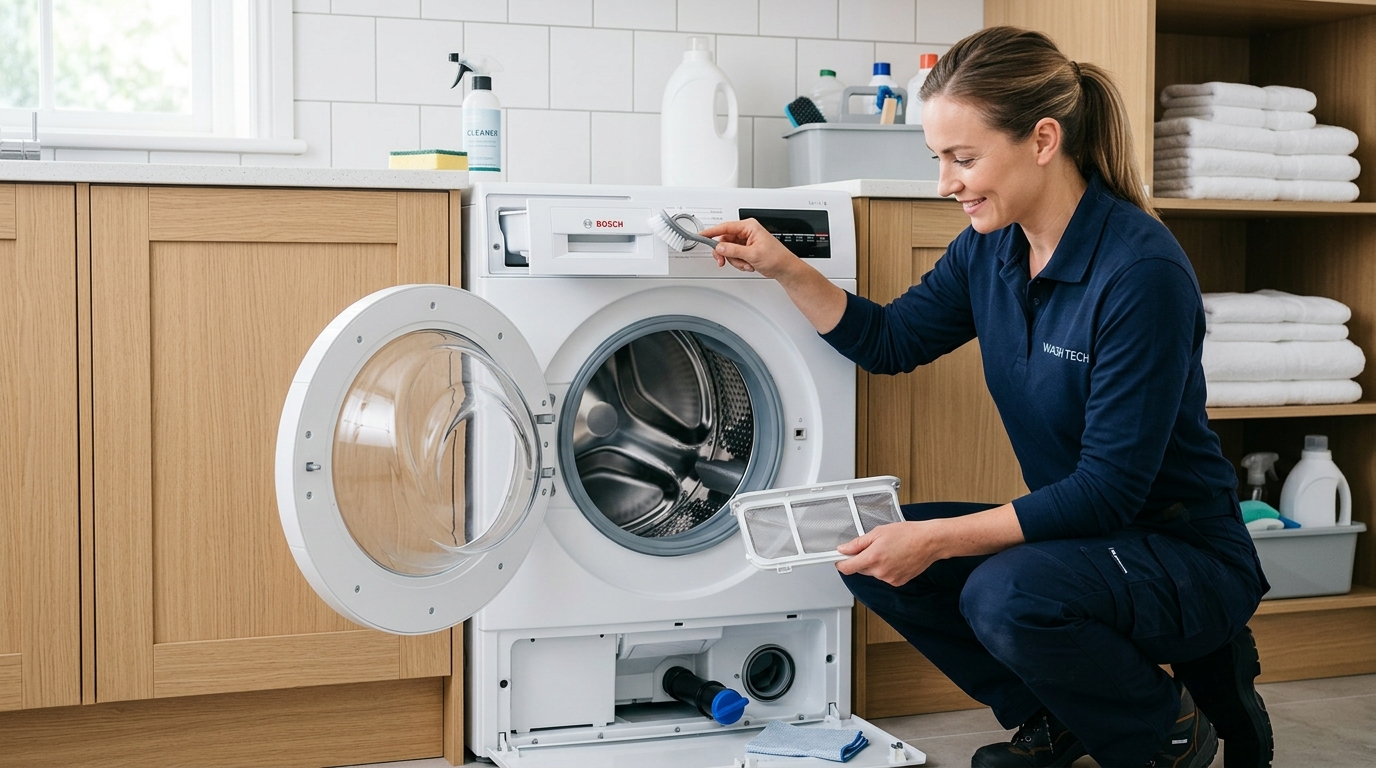
Complete Washing Machine Cleaning Guide: Drum, Filter, Pipes and More
Washing machines serve as vital household appliances, tirelessly working to keep our clothes clean and fresh. However, just like any other machine, washing machines require regular maintenance to function efficiently. Neglecting routine care can lead to various problems, ranging from unpleasant odors to inefficient washing cycles. This article is a comprehensive guide for homeowners, detailing how to clean the essential parts of your washing machine: the drum, filter, pipes, and beyond.
Importance of Regular Washing Machine Maintenance
A well-maintained washing machine not only performs better but also extends its lifespan. Regular cleaning ensures that dirt, detergent residue, and lint do not accumulate, which can hinder the machine's functionality. Particularly in areas with hard water, mineral deposits can build up and affect performance. Therefore, understanding how to properly clean your washing machine is crucial for maintaining its efficiency and avoiding costly Washing Machine Repair Service.
Cleaning the Washing Machine Drum
The drum is where all the washing action occurs. Over time, it can accumulate soap residue, grime, and mildew. Cleaning the drum regularly not only prevents odors but also ensures optimal cleaning of your clothes. Here's how to clean it effectively:
Step-by-Step Process
- Empty the Drum: Ensure that the drum is completely empty before starting the cleaning process.
- Use Vinegar and Baking Soda: Fill the drum with hot water and add two cups of white vinegar. After running a cycle, sprinkle half a cup of baking soda into the drum and run another cycle on the hottest setting.
- Wipe Down the Interior: After the cycles are complete, use a clean cloth or sponge to wipe down the inside of the drum, removing any remaining residues.
- Leave the Door Open: Allow the washing machine door to remain open for a few hours to let air circulate, preventing mold growth.
Cleaning the Washing Machine Filter
The filter plays a crucial role in trapping lint and small debris during the wash cycle. A clogged filter can lead to poor drainage and inefficient washing. Here's how to clean it:
Step-by-Step Process
- Locate the Filter: Typically found at the front bottom of the machine behind a small door.
- Remove the Filter: Carefully unscrew and remove the filter.
- Clean the Filter: Rinse the filter under warm water to dislodge any trapped dirt and lint.
- Reinstall the Filter: Ensure that it is securely fastened before closing the access door.
Cleaning the Hoses
The hoses connected to your washing machine are also critical for its function. They can become clogged or develop leaks over time. Regular inspection and cleaning can prevent water damage and ensure efficient operation.
Step-by-Step Process
- Inspect the Hoses: Check for any visible signs of wear, cracks, or leaks. Replace them if necessary.
- Disconnect the Hoses: Turn off the water supply and detach the hoses from the machine.
- Clean the Hose Ends: Rinse the ends of the hoses with water to clear any blockages.
- Look for Kinks: Ensure that the hoses are straight and not kinked, which can restrict water flow.
- Reconnect the Hoses: Securely reattach the hoses and turn on the water supply.
Additional Tips for Washing Machine Care
Beyond the main components, there are other considerations to ensure your washing machine remains in top condition:
- Regularly Clean the Detergent Dispenser: Residue can build up here, leading to clogs and mold. Remove and clean it at least once a month.
- Check the Rubber Gasket: The rubber seal around the door can trap moisture and dirt. Wipe it down regularly to prevent mold.
- Run Maintenance Cycles: Many modern machines have a self-cleaning cycle. Use this feature regularly to keep the internal components clean.
- Avoid Overloading: Frequently overloading the machine can lead to mechanical issues and inefficient cleaning. Follow the manufacturer's guidelines for load sizes.
When to Call for Professional Washing Machine Service
Even with regular maintenance, issues can arise that require professional intervention. Here are some signs that indicate it’s time to consult a washing machine repair service:
- Persistent Odors: If foul smells continue after thorough cleaning, there may be deeper issues.
- Unusual Noises: Grinding or banging noises during operation can indicate mechanical problems.
- Leaks: Water pooling around the machine signifies potential hose or pump issues.
- Failure to Spin or Drain: If your machine fails to complete its cycles, it could indicate a blockage or malfunction.
If you encounter any of these problems, do not hesitate to seek assistance from a qualified washing machine repair service. Prompt attention can prevent further damage and restore your appliance's functionality.
Conclusion
Regular cleaning and maintenance of your washing machine are essential for its longevity and effectiveness. By following the guidelines outlined in this guide, you can ensure that your washing machine remains in excellent working condition. Remember to clean the drum, filter, and hoses regularly and be vigilant for any signs of malfunction. In case of persistent issues, professional repair services are available to help restore your appliance. Investing time in maintenance today can save you from costly repairs tomorrow.