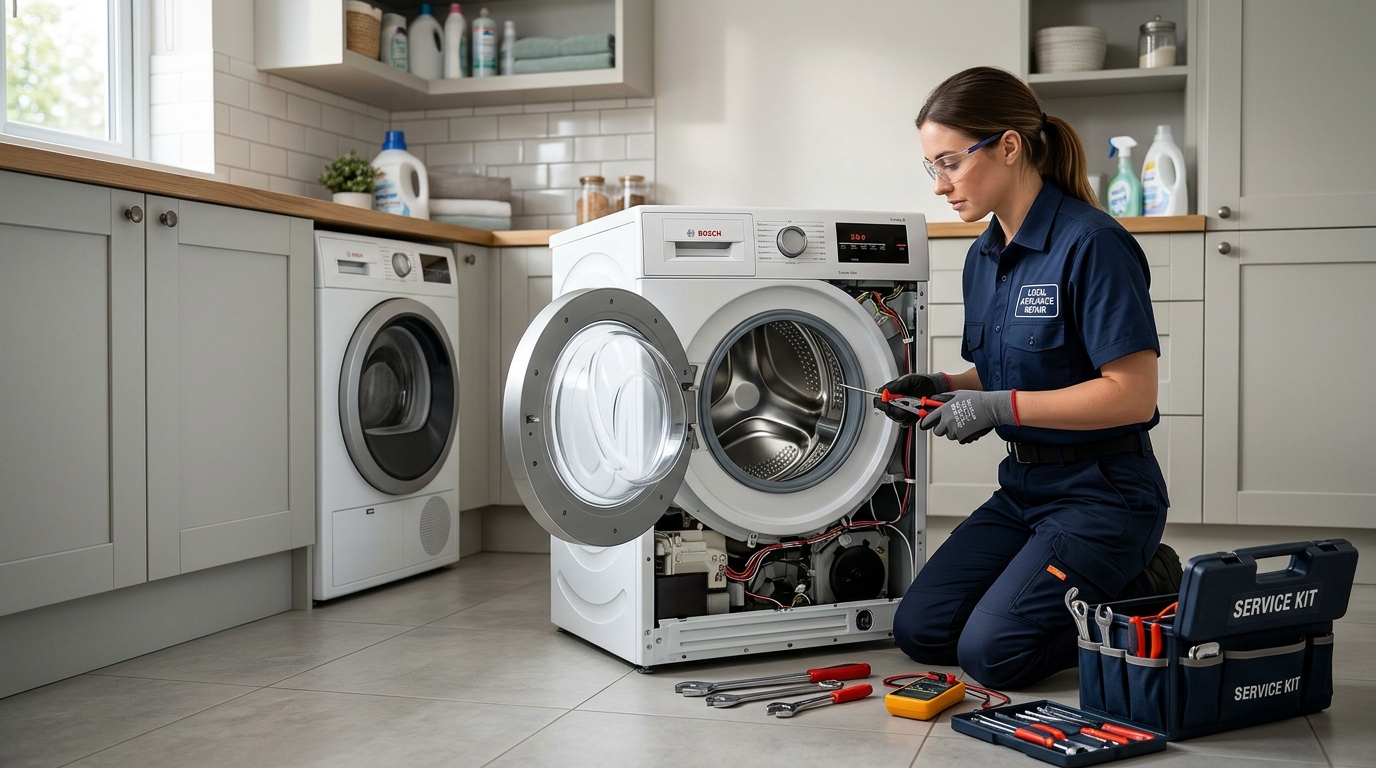
An astonishing 70% of household washing machine failures are due to preventable issues like overloading or detergent misuse. While many small problems can often be avoided with proper care, there are times when a professional touch is essential. When you need reliable help, finding a trusted washing machine service centre that understands the urgency of a broken appliance can make all the difference. Our guide helps you understand common issues and what to expect from expert washing machine repair. It's frustrating when your appliance doesn't work, but knowing your options simplifies getting it fixed. Whether it's a minor glitch or a major breakdown, getting a prompt and effective washing machine repair service near me is crucial for maintaining your household routine. This article addresses real concerns, offering practical advice for residents of Bareilly and beyond. It covers everything from identifying problems to understanding service costs and what to look for in a repair professional. Stay informed and ensure your appliance runs smoothly for years to come. Knowing your washing machine is reliable is key to a smooth laundry routine.
Recognizing Washing Machine Problems and Deciding on Professional Help
Modern washing machines are complex appliances, and while they are built to last, they can develop a variety of issues that go beyond a simple user fix. Recognizing these warning signs early can save you from more extensive damage and costly repairs down the line. One of the most common complaints is when the washing machine isn't draining water properly. This can be caused by a clogged pump, a faulty drain hose, or a malfunctioning lid switch, all of which often require specialized tools and expertise to diagnose and fix. Ignoring drainage issues can lead to unpleasant odors, mold growth, and even damage to the machine's internal components from standing water.
Another frequent problem is excessive noise during operation. While some noise is normal, loud banging, grinding, or squealing sounds indicate issues with the drum bearings, motor, or suspension system. For example, a grinding noise might suggest a problem with the motor, while thumping or banging often points to worn-out suspension rods or an unbalanced load. These components are intricate, and attempting DIY washing machine repair without proper knowledge can lead to further complications or even injury. Leaks are also a serious concern. A puddle around your machine could point to a cracked hose, a worn-out seal, a faulty water inlet valve, or an overflowing tub. Identifying the exact source of a leak quickly is important to prevent water damage to your home, potential electrical hazards, and to address the underlying issue effectively before it causes structural damage or mold.
If your washing machine isn't spinning, or the drum isn't rotating at all, this could signal a problem with the drive belt, motor coupler, or the motor itself. These internal parts are crucial for the machine's primary function, and their repair often involves disassembling a significant portion of the appliance. Lastly, if your clothes are not getting clean, or the wash cycles aren't completing properly, it might be an issue with the control board, water temperature sensor, or dispenser. For any of these complex problems, seeking a professional washing machine repair service ensures that the job is done correctly and safely, extending the life of your appliance.
Deciding whether to attempt a DIY fix or call a professional for washing machine repair near me depends on the nature of the problem, your comfort level with mechanical tasks, and the potential risks involved. Minor issues, such as a clogged lint filter, an unbalanced load, or a kinked water supply hose, can often be resolved without professional help. Always check the user manual first; it often provides troubleshooting steps for basic problems. If your machine is simply not starting, ensure it’s plugged in securely and that the circuit breaker hasn’t tripped.
However, if the problem involves internal components, electrical wiring, significant leaks, or persistent mechanical noises, it’s usually best to contact a qualified washing machine repair service. Attempting to fix complex issues without the right tools, knowledge, or safety precautions can lead to further damage, void your warranty, or even result in electric shock or water damage. For example, replacing a drive belt or pump requires specific technical know-how and often specialized tools to ensure correct reassembly. Issues involving the control board or motor are particularly complex and should almost always be left to experts. Ignoring a persistent problem or trying a makeshift solution can escalate a small issue into a larger, more expensive one.
Before you call a washing machine repair professional, perform these basic checks: ensure the power cord is fully inserted, check water supply valves are open, and confirm the drain hose isn't clogged or bent. If these simple checks don't resolve the issue, it’s a clear sign that expert intervention is needed. A reputable washing machine service will have the diagnostic equipment and experience to quickly identify the root cause and provide an effective solution, saving you time and potential headaches. It's about weighing the cost of a professional service against the risk and effort of a potentially unsuccessful DIY attempt, prioritizing safety and a lasting solution.
Finding a Qualified Repair Service and Understanding the Process
When you need washing machine repair, understanding the typical cost and timeframes can help you prepare. The price for washing machine repair in Bareilly can vary significantly depending on the specific issue, the brand and model of your appliance, and the cost of replacement parts. Minor repairs, such as fixing a loose belt or clearing a simple clog, might range from ₹500 to ₹1500, primarily covering the service call and a small labor fee. More complex repairs, like replacing a pump, motor, or control board, can cost anywhere from ₹2000 to ₹7000 or more, as these components are expensive and require skilled labor for installation. Always request a detailed quote before any work begins, which should include both parts and labor, and ask for an explanation of all charges.
Regarding the time taken for a job, most common washing machine repairs can be completed within 1 to 3 hours during a single service visit. For instance, addressing a drainage issue, replacing a worn-out belt, or fixing a faulty lid switch typically falls within this timeframe. However, if a specialized part needs to be ordered, or if the diagnosis reveals a more intricate problem, the repair might extend over several days. In such cases, the technician will usually provide a temporary solution or schedule a follow-up visit once the necessary parts arrive. Reputable washing machine service providers usually carry common parts to facilitate quick fixes, minimizing inconvenience for you.
Some companies offer same-day or next-day washing machine repair service, especially for urgent breakdowns. When scheduling, be sure to inquire about their estimated arrival window and the expected duration of the repair. While getting a cheap fix might seem appealing, prioritizing quality and reliability will often save you money in the long run. Professional technicians often provide a warranty on their parts and labor, giving you added assurance. Discuss these guarantees upfront to ensure you understand what's included with your washing machine repair.
Choosing the right washing machine service centre is crucial for ensuring a reliable and lasting repair. The qualifications and reputation of the technicians can greatly impact the quality of the service you receive. It's essential to look for a service provider with certified or factory-trained technicians. Certification indicates that they have undergone rigorous training and possess the technical knowledge required to work on various washing machine brands and models. Many manufacturers offer specific training programs, so inquire if the technicians are specialized in your appliance's brand and ask to see proof of their certifications.
Experience is another key factor. A washing machine service center with a long-standing presence in the community, like in Bareilly, often signifies a track record of reliable service. Experienced technicians are more likely to quickly diagnose unusual problems and implement effective solutions, saving you time and potential repeat visits. Ask about the technician's experience with issues similar to yours. A good service provider will be transparent about their team's qualifications and their history of successful repairs.
Furthermore, verify that the washing machine service centre is licensed and insured. Licensing ensures they meet professional standards and operate legally, while insurance protects you from liability in case of accidents or damage occurring during the repair process. Reputable companies will readily provide proof of both. Check for positive customer reviews and testimonials online. While not a qualification in itself, consistent positive feedback regarding professionalism, punctuality, and repair effectiveness is a strong indicator of a trustworthy washing machine service. Finally, ensure they offer a warranty on their parts and labor, which demonstrates confidence in their work and provides you with recourse if the problem recurs after the repair. These factors combined will help you select a highly qualified and dependable service provider.
When you book a professional washing machine service near me, you should expect a comprehensive approach designed to diagnose, repair, and often prevent future issues. The initial step typically involves a service call where a qualified technician arrives at your location. During this visit, they will perform a thorough diagnostic assessment of your appliance. This includes checking for power supply issues, inspecting water inlet and drain hoses, examining the motor, belts, pump, and control panel. They'll use specialized tools and their expertise to accurately identify the root cause of the malfunction, not just treat the symptoms. This thorough inspection helps prevent misdiagnoses and ensures a lasting repair.
Once the problem is identified, the technician will clearly explain the issue, the necessary repairs, and provide a detailed quote for both parts and labor. This transparency is a hallmark of a reliable washing machine repair service. The quote should break down costs, so you understand exactly what you're paying for before any work begins. If you agree to proceed, the repair work begins. This involves replacing faulty components with genuine or high-quality compatible parts, adjusting settings, and performing any other tasks required to restore your washing machine to full functionality. Many services carry common replacement parts directly on their service vehicles, allowing for immediate repairs without delay.
Beyond the repair itself, a good washing machine service also includes testing the appliance to ensure it operates correctly after the fix. This often involves running a test cycle to confirm that all functions, such as filling, washing, draining, and spinning, are working as they should. This final check is crucial to verify the repair was successful. The technician may also offer advice on preventative maintenance to help you avoid future problems, such as tips on proper loading or cleaning routines. Furthermore, most reputable providers offer a warranty on the parts installed and the labor performed, giving you assurance that their work is dependable. This ensures that if the same issue reoccurs within a specified period, you won't incur additional charges.
Proactive Steps to Prevent Future Washing Machine Breakdowns
Preventative maintenance is key to extending the lifespan of your appliance and avoiding the need for frequent washing machine repair. Simple habits can make a significant difference in keeping your machine running efficiently. Firstly, always avoid overloading your washing machine. Overloading strains crucial components like the motor, drum bearings, and suspension system, leading to premature wear and tear. This stress can cause the machine to work harder, consume more energy, and eventually lead to expensive breakdowns like motor burnout or bearing failure. Refer to your owner's manual for the recommended load capacity and try to stick to it. An unbalanced load also causes undue stress and excessive vibration, so distribute clothes evenly inside the drum before starting a cycle.
Secondly, regularly clean your washing machine. This includes running a monthly cleaning cycle with a specialized washing machine cleaner or a mixture of white vinegar and baking soda. To do this, run an empty hot water cycle with two cups of white vinegar, followed by another empty hot water cycle with half a cup of baking soda. This helps remove detergent residue, mold, and mildew that can cause unpleasant odors, reduce cleaning effectiveness, and affect performance. Don't forget to clean the detergent dispenser drawer, the rubber door seal (gasket) on front-loaders, and the lint filter (if applicable). A clogged lint filter, for instance, can impede drainage and lead to issues that would require professional washing machine service, such as overflows or pump strain.
Thirdly, use the correct type and amount of detergent. Using too much detergent, especially high-efficiency (HE) detergent in a non-HE machine, can create excessive suds that leave residue on clothes and inside the machine. These suds can clog pumps and hoses, lead to false error codes, and result in poor rinsing. Using the wrong type of detergent can also void your warranty in some cases. Always check the detergent instructions and your machine's specifications to ensure you are using the appropriate product and quantity. Using liquid detergent instead of powder can also reduce residue buildup over time.
Finally, inspect hoses periodically. Check the water inlet and drain hoses for any signs of cracks, bulges, or leaks. Hoses degrade over time, and a burst hose can cause significant water damage to your home. It's generally recommended to replace rubber hoses every 3-5 years, or immediately if any signs of wear are visible. Ensuring your washing machine is level also prevents excessive vibration and stress on its components, which can prolong the life of the motor and suspension. You can check this with a spirit level and adjust the leveling feet as needed. Following these simple steps can significantly reduce the likelihood of needing an emergency washing machine repair and keep your appliance running efficiently for years to come.