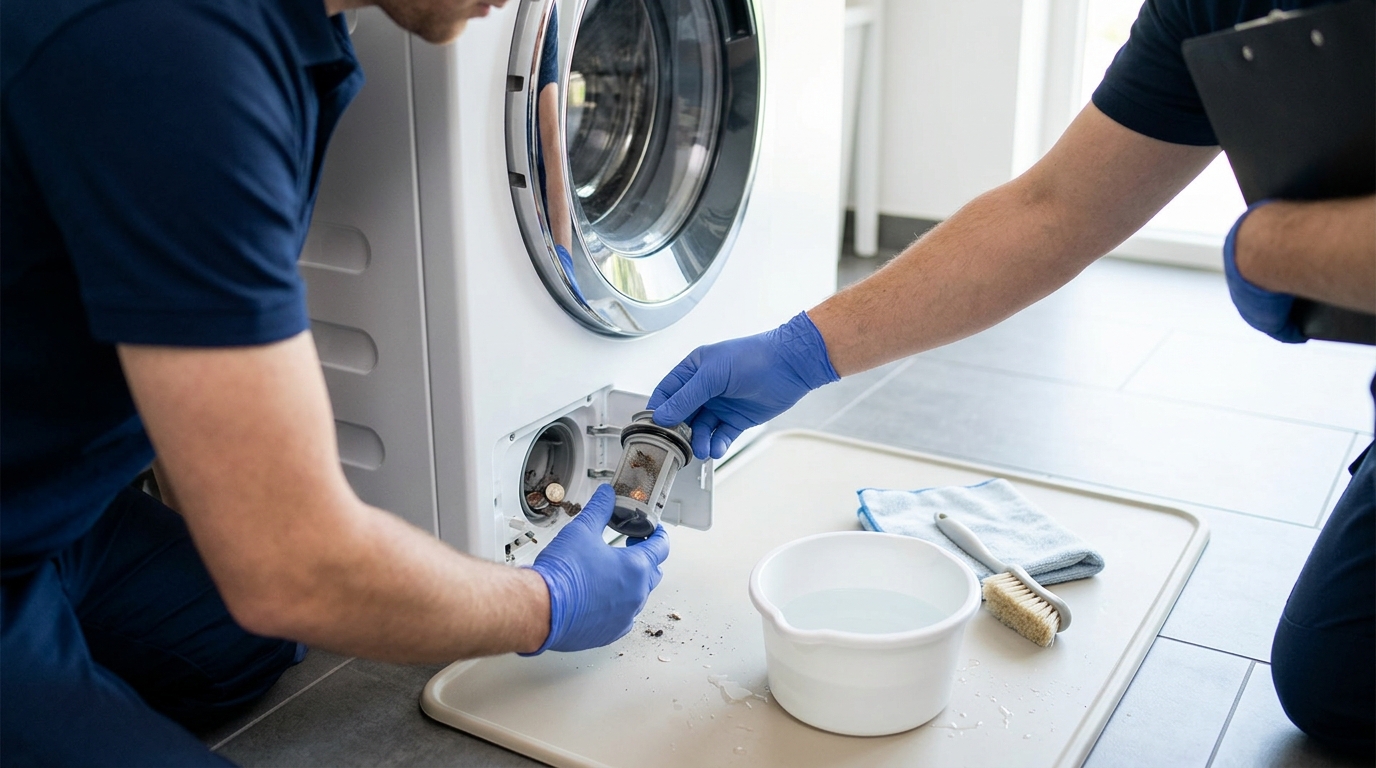
How to Clean a Washing Machine Filter and Why It Matters
Washing machines have become an indispensable part of modern households, providing convenience and efficiency in laundry care. However, just like any other appliance, they require regular maintenance to ensure optimal performance. One crucial aspect of washing machine upkeep is cleaning the filter. In this article, we will explore the importance of cleaning your washing machine filter, how often it should be done, and a step-by-step guide on performing the task effectively.
Understanding the Role of the Washing Machine Filter
The washing machine filter plays a vital role in the appliance's operation. Its primary function is to trap lint, debris, and other particles that may be present in the water or on your clothes. By filtering out these contaminants, the washing machine ensures that clothes are cleaned effectively and that the internal components of the machine remain free from blockages.
Regular cleaning of the filter is essential for maintaining the efficiency of your washing machine. A clogged filter can reduce the machine's effectiveness, leading to longer wash cycles, increased energy consumption, and even potential damage to the appliance.
Signs That Your Filter Needs Cleaning
Recognizing the signs that your washing machine filter needs attention is important for preventing further issues. Here are some common indicators:
1. Poor Drainage
If you notice that water is not draining properly from your washing machine, it could be a sign that the filter is clogged. This can lead to water pooling at the bottom of the drum and longer drying times for your clothes.
2. Unpleasant Odors
A dirty filter can trap moisture and debris, leading to unpleasant smells emanating from your washing machine. If you detect any unusual odors, it may be time to clean the filter.
3. Frequent Error Codes
Certain washing machines are equipped with diagnostic systems that trigger error codes when there is a malfunction. If your machine displays codes related to drainage or water intake, a clogged filter could be the culprit.
4. Increased Wear on Clothes
If your clothes are showing signs of excessive wear or fade, it might be due to the presence of debris in the washing cycle. A clean filter helps ensure that your clothes are treated gently during washing.
Frequency of Cleaning Your Washing Machine Filter
To maintain the efficiency of your washing machine, it’s recommended to check and clean the filter every three to six months. However, if you frequently wash pet bedding, towels, or heavily soiled items, you may need to clean the filter more often. Regular maintenance will prolong the life of your appliance and improve the quality of your laundry.
Step-by-Step Guide to Cleaning Your Washing Machine Filter
Cleaning the washing machine filter is a straightforward process that can be completed in a few simple steps. Here’s how to do it:
1. Unplug the Washing Machine
Safety is paramount when dealing with appliances. Before you start cleaning the filter, ensure that the washing machine is unplugged from the electrical outlet.
2. Locate the Filter
The filter is typically located at the bottom front of the washing machine, though some models may have it in other locations. Consult your user manual for the exact position.
3. Prepare for Water Spillage
Before you open the filter cover, place a towel or shallow container beneath it to catch any water that may spill out during the cleaning process.
4. Open the Filter Cover
Most washing machines have a cover that can be easily opened. Gently pull or unscrew it to expose the filter.
5. Remove the Filter
Carefully pull out the filter from its housing. Be cautious, as it may still contain water and debris.
6. Clean the Filter
Rinse the filter under warm water to remove lint and debris. For stubborn buildup, use a soft brush to scrub the mesh screen gently. Avoid using harsh chemicals, as they can damage the filter.
7. Inspect the Filter Housing
While the filter is out, take a moment to inspect the filter housing for any debris that may have accumulated. Wipe it clean with a damp cloth if necessary.
8. Reinsert the Filter
Once the filter is clean and dry, reinsert it back into its housing securely. Replace the filter cover.
9. Plug in the Washing Machine
Finally, plug the washing machine back into the electrical outlet and run a short cycle with water to ensure everything is functioning correctly.
Benefits of Cleaning Your Washing Machine Filter
Investing a small amount of time in cleaning your washing machine filter can yield significant benefits:
1. Improved Performance
A clean filter allows for better water flow and drainage, leading to more efficient washing cycles.
2. Extended Appliance Lifespan
Regular maintenance, including filter cleaning, can help extend the lifespan of your washing machine, delaying the need for washing machine repair.
3. Enhanced Laundry Quality
Maintaining a clean filter ensures that your clothes are washed effectively without contaminants, maintaining their quality over time.
4. Reduced Energy Costs
An efficiently running washing machine consumes less energy, which can contribute to lower utility bills.
5. Minimized Risk of Breakdowns
Preventive maintenance, such as cleaning the filter, helps reduce the likelihood of unexpected breakdowns, saving you from costly washing machine service.
When to Seek Professional Help
While cleaning the washing machine filter is a relatively simple task, there may be times when you encounter issues that require professional assistance. If you find that your washing machine continues to exhibit drainage problems or error codes despite a clean filter, it might be time to contact a washing machine repair service. Professionals can diagnose underlying issues that may not be immediately apparent.
For those in need of reliable assistance, consider reaching out to a trusted local Washing Machine Repair Service for expert guidance.
Conclusion
Cleaning your washing machine filter is a crucial household maintenance task that should not be overlooked. Regular cleaning can enhance the efficiency of your appliance, prolong its lifespan, and improve the quality of your laundry. By understanding the signs of a clogged filter and following the outlined steps, you can ensure that your washing machine remains in optimal working condition for years to come. Take the time to perform this simple task, and enjoy the benefits of a well-maintained washing machine.