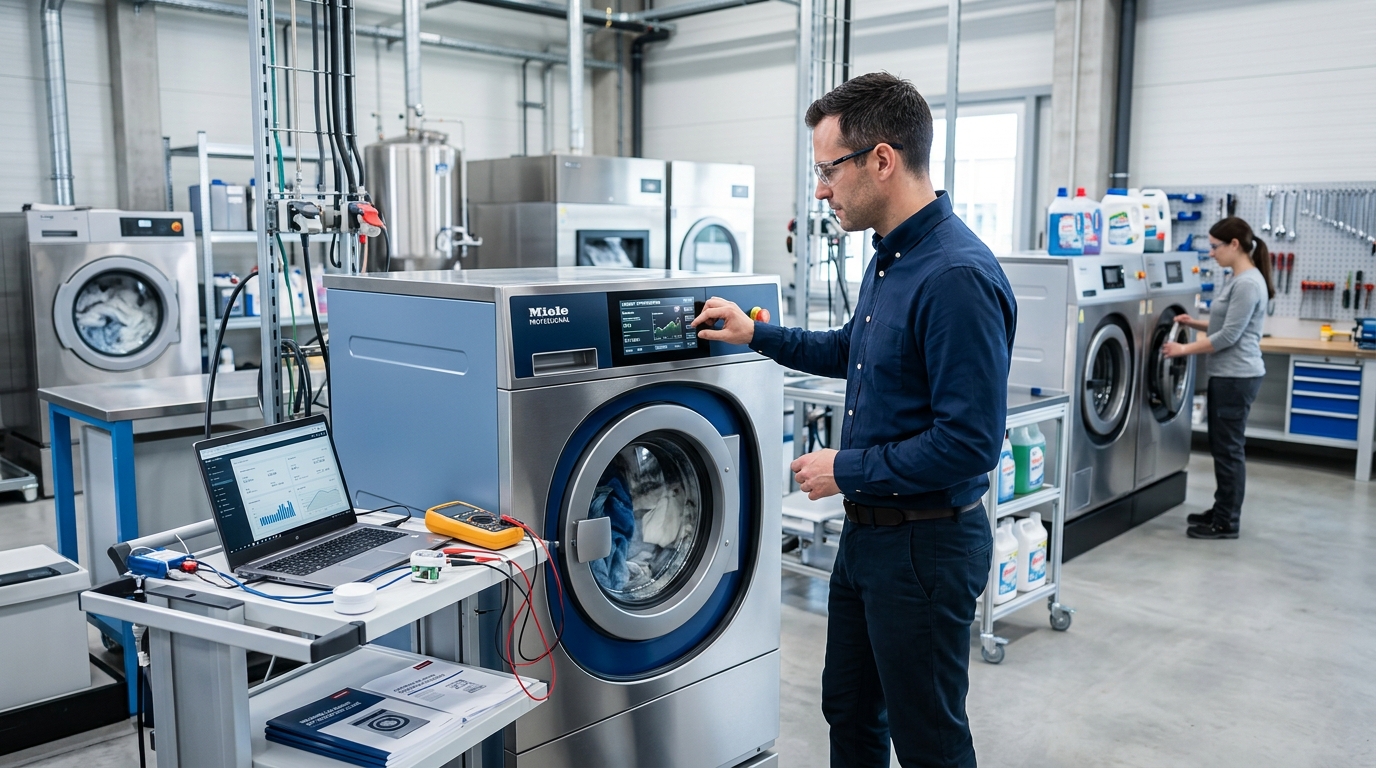
How to Improve Washing Machine Performance and Reduce Energy Consumption
In today’s world, washing machines are an essential household appliance. They save time and effort, ensuring that our clothes are cleaned efficiently. However, as these appliances age or if not maintained properly, their performance can decline, leading to increased energy consumption and higher utility bills. This article provides practical tips on how to enhance the performance of your washing machine and reduce energy use, ultimately prolonging its lifespan and saving money.
Understanding Washing Machine Efficiency
Before diving into improvement strategies, it is crucial to understand how washing machines operate. Most washing machines use a significant amount of water and electricity, and their efficiency is often measured through their energy and water consumption rates. A well-maintained washing machine operates efficiently, consuming less energy and water while providing optimal cleaning results.
Common Factors Affecting Performance
Several factors can contribute to a washing machine's inefficiency: - Clogged Filters: Lint and debris can clog filters, affecting water drainage and overall performance. - Overloading: Excess weight puts stress on the machine, causing it to work harder and consume more energy. - Faulty Components: Worn-out parts, such as the drive belt or motor, can hinder operation and increase energy use. - Neglecting Maintenance: Regular maintenance is essential for performance optimization. Without it, machines can degrade and consume extra resources.
Regular Maintenance is Key
Routine maintenance is vital for keeping your washing machine performing at its best. It includes cleaning, inspecting, and replacing worn parts when necessary. Here are essential maintenance tips:
Monthly Cleaning
Once a month, run an empty load with hot water and vinegar or a specialized washing machine cleaner. This process will remove any build-up of detergent, mold, and mildew, ensuring that the appliance operates effectively. A clean machine will not only clean clothes better but will also be more energy-efficient.
Inspect Hoses and Connections
Check the hoses connecting your washing machine to the water supply for any signs of wear or leaks. Damaged hoses can reduce water flow, affecting washing performance. If you notice any issues, it may be worth considering a service call for Washing Machine Repair to resolve these problems promptly.
Check for Level Positioning
Ensure your washing machine is level on the floor. An unlevel machine can vibrate excessively, causing wear and tear. Adjust the feet of the machine if necessary to maintain an even balance. This simple adjustment can drastically improve efficiency and performance.
Optimize Your Washing Habits
Your washing habits can significantly influence your machine's performance and energy consumption. Here are some tips to consider:
Wash Full Loads
Washing full loads is more efficient than running multiple smaller loads. A full load reduces the number of times you need to operate the machine, saving energy and water. However, avoid overloading, as it can lead to mechanical issues and poor cleaning results.
Use Cold Water Settings
Most detergents are effective in cold water, and washing your clothes in cooler temperatures can save energy. Switching to cold wash cycles can reduce your energy consumption without compromising on cleanliness. This is a significant step in making your washing machine more energy-efficient.
Consider Energy-Efficient Models
When it comes time to replace your washing machine, consider investing in an energy-efficient model. Look for units with high Energy Star ratings, which indicate that they meet energy efficiency guidelines set by the U.S. Environmental Protection Agency. These models not only consume less energy but are also designed to operate more efficiently, saving you money in the long run.
Professional Help for Troubleshooting
If you notice a significant drop in performance or unusual noises coming from your washing machine, it may be time to consult a professional. Seeking expert help can prevent further damage and restore your machine's functionality. A reliable Washing Machine Repair Service can diagnose issues effectively, ensuring that your appliance runs smoothly.
Signs You Need Professional Maintenance
Here are some indicators that your washing machine may require professional attention: - Excessive noise during operation. - Water not draining properly. - The machine not spinning or agitating as it should. - A noticeable increase in energy bills.
Energy-Saving Practices
In addition to regular maintenance and mindful washing habits, you can implement energy-saving practices:
Run the Dryer Efficiently
If you use a dryer, consider line drying your clothes when possible. If you must use a dryer, avoid overloading it, and clean the lint filter before each use. This practice not only enhances dryer efficiency but also reduces energy consumption.
Use High-Efficiency Detergents
High-efficiency detergents are specially formulated to work better in less water, which can optimize washing performance while saving water and energy.
Adjust Spin Cycles
If your washing machine has adjustable spin cycles, consider using the highest spin speed for most loads. A higher spin speed extracts more water, reducing drying time and energy use in the dryer.
Conclusion
Improving washing machine performance and reducing energy consumption is achievable through regular maintenance, optimizing washing habits, and knowing when to seek professional help. A well-cared-for appliance not only saves energy but also extends its lifespan. By incorporating the tips outlined in this article, you can enjoy cleaner clothes while keeping your utility bills in check. Investing in a washing machine repair service when necessary can further enhance its efficiency, ensuring you get the most out of your appliance.
By being proactive and mindful of your washing habits, you’re not just benefiting your home but also contributing to a more sustainable future.