How to Maintain Your Washing Machine for Better Cleaning Performance
Washing machines are essential appliances in modern households, making laundry chores more manageable and efficient. However, like any machinery, they require regular maintenance to ensure optimal performance. In this article, we will discuss effective ways to maintain your washing machine, ensuring it delivers clean results consistently while prolonging its lifespan.
Importance of Washing Machine Maintenance
A well-maintained washing machine not only improves cleaning efficiency but also saves money in the long run. Regular maintenance helps prevent costly repairs and extends the life of the appliance. Neglecting maintenance can lead to breakdowns, poor performance, and even unsanitary conditions due to the accumulation of dirt and mold.
Routine Cleaning and Care
Regular External Cleaning
Keeping the exterior of your washing machine clean is the first step in maintenance. Use a soft cloth and a mild cleaning solution to wipe down the surface. Ensure that any detergent spills or residues are cleaned immediately, as they can lead to corrosion over time.
Cleaning the Drum
Over time, the interior of a washing machine can accumulate dirt, detergent residues, and fabric softener buildup. Conduct a monthly cleaning cycle with your machine empty. Run a hot water cycle and add either white vinegar or a specialized washing machine cleaner. This process removes any residues and helps eliminate odors.
Check and Clean the Filter
Most washing machines come equipped with a filter that captures lint, hair, and other debris. It is crucial to check this filter regularly, ideally once every few months. Clean it according to the manufacturer's instructions. A blocked filter can lead to drainage issues and poor cleaning performance.
Proper Use of Detergents
Choosing the Right Detergent
Using the correct type of detergent is vital for washing machine performance. Overusing or choosing the wrong detergent can lead to excess suds, which can cause the machine to work harder than necessary. Always follow the manufacturer's recommendations regarding the amount and type of detergent to use.
Avoiding Overloading
While it may be tempting to wash large loads to save time, overloading your washing machine can strain the appliance and lead to uneven cleaning. It can also create excessive wear and tear, ultimately resulting in the need for washing machine repair services. Always adhere to the recommended load capacity for optimal cleaning.
Water Quality and Supply
Hard Water Issues
Hard water contains minerals that can accumulate in your washing machine over time. This buildup can affect the efficiency of the machine and lead to malfunctions. If you live in an area with hard water, consider using a water softener or a descaling product specifically designed for washing machines. This prevents mineral buildup and maintains cleanliness.
Regularly Inspect Hoses and Connections
Check the hoses and connections for any signs of leaks or weakness. Hoses should be replaced if you notice any cracks or bulges, as these can lead to significant water damage or machine failure. Furthermore, ensure connections are tight, as loose fittings can create leaks.
Drying the Machine
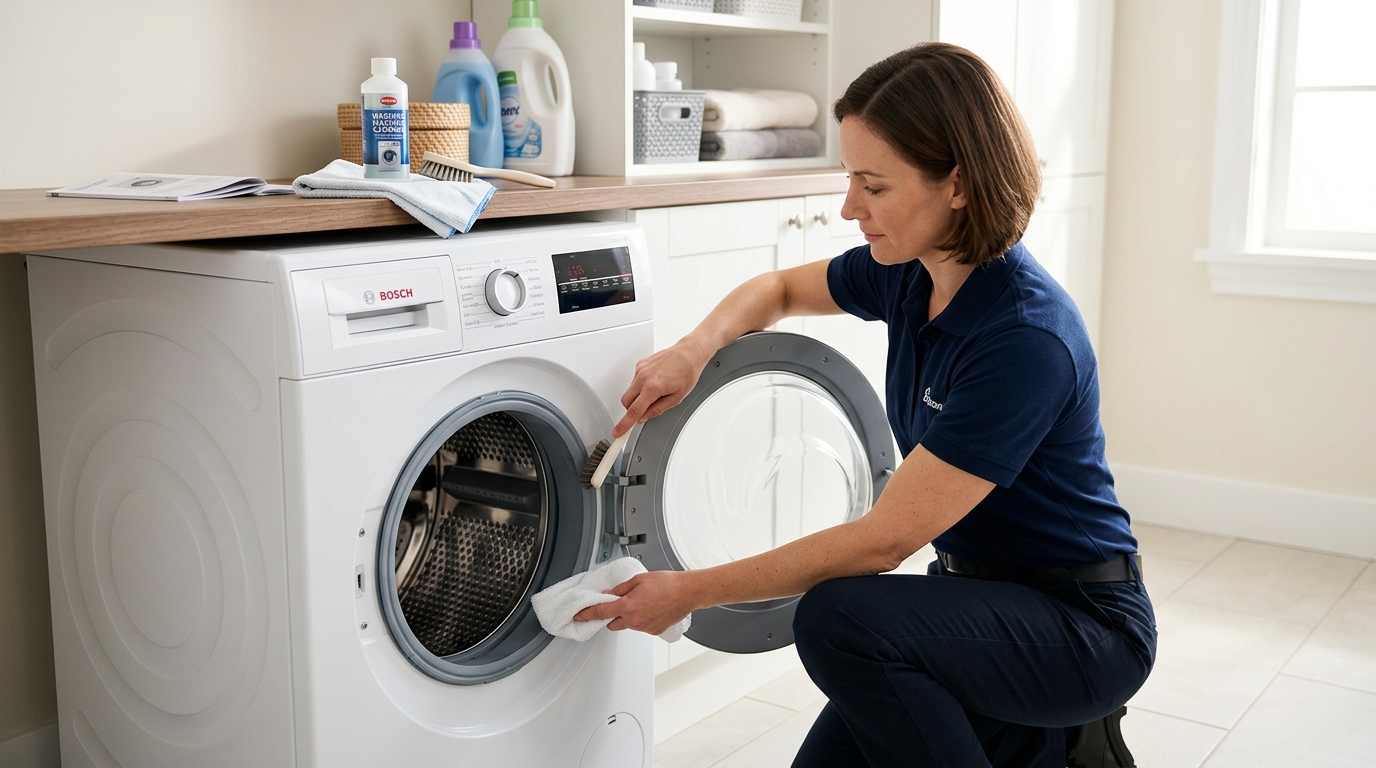
After completing laundry, it is advisable to leave the washing machine door open for a few hours. This helps moisture escape, reducing the likelihood of mold and mildew growth within the drum. Additionally, wiping down the rubber door seal with a cloth prevents residue accumulation.
Professional Washing Machine Service
Despite your best efforts in maintaining your washing machine, wear and tear are inevitable. Scheduling regular professional washing machine service is essential. Trained professionals can spot issues that may not be immediately visible and can provide services such as deep cleaning, regular checks, and essential repairs.
In case of malfunction, seeking a Washing Machine Repair Service promptly can prevent further damage and restore your appliance to excellent working condition.
Addressing Common Problems
Unusual Noises
If your washing machine begins to make unusual noises during operation, it may be a sign of a problem. Check for loose items stuck in the drum, and ensure that the machine is level. If the noises persist, consult a professional service provider.
Leaks
Leaking water can cause significant damage to your home and signifies a potential issue with hoses or seals. If you notice any water pooling around your machine, investigate immediately. Addressing leaks quickly can save you from more extensive and costly repairs.
Machine Stopping Mid-Cycle
If your washing machine suddenly stops mid-cycle, this could be indicative of electrical issues or a problem with the control board. Before calling for repairs, ensure that the machine is plugged in and that the circuit breaker has not tripped.
Seasonal Maintenance
Pre-Summer Check
Before the summer months, perform a thorough inspection and cleaning of your washing machine. This ensures that it is ready to handle the increased laundry loads often associated with warmer weather, such as beach towels and summer clothing.
Pre-Winter Maintenance
During winter, frozen hoses can become a problem. Before winter, ensure that hoses are insulated and check for any leaks. Taking precautions can prevent emergency repairs during the colder months.
Conclusion
Maintaining your washing machine is critical for ensuring its longevity and optimal performance. By following the steps outlined in this article, you can enhance your machine's efficiency and reduce the likelihood of costly repairs. From regular cleaning to addressing common issues and enlisting professional services when necessary, proactive maintenance can significantly improve your washing experience. Remember that when problems arise, seeking a reputable washing machine repair service can save you time, money, and unnecessary stress.
By embracing these maintenance routines, you can enjoy cleaner clothes and a more reliable appliance for years to come.