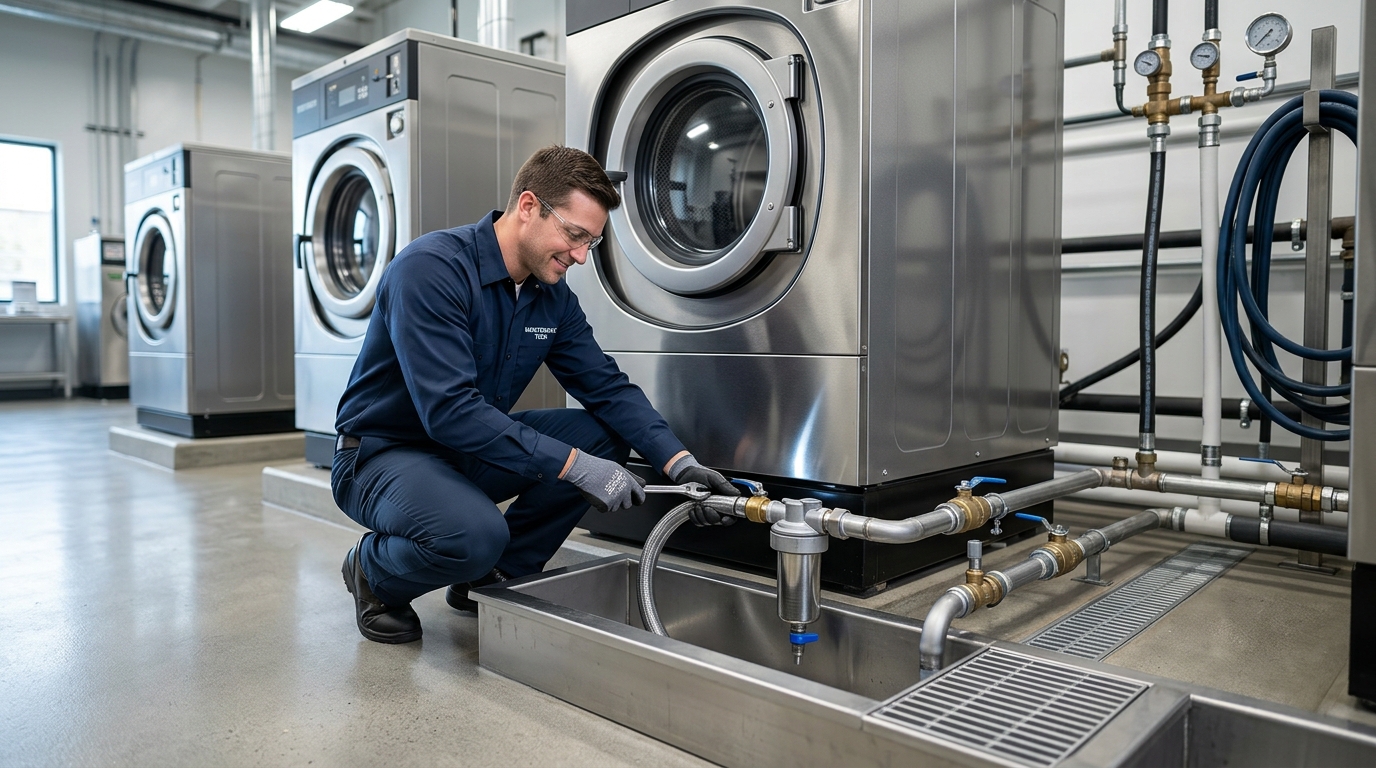
How to Prevent Washing Machine Drainage and Water Leakage Problems
Washing machines are essential appliances in modern households, simplifying the often onerous task of laundry. However, like any appliance, they can experience issues, particularly concerning drainage and water leakage. Understanding how to prevent these problems can save you from costly repairs and damage to your home. This article will provide you with clear insights and actionable tips on ensuring your washing machine operates effectively without drainage issues or leaks.
Understanding Washing Machine Drainage Issues
The Importance of Proper Drainage
Proper drainage is vital for the efficient functioning of your washing machine. The machine relies on a well-maintained drainage system to expel water used during the wash cycle. When drainage issues arise, it can lead to water accumulation inside the drum, causing potential leaks and, ultimately, damage to the appliance itself.
Common Causes of Drainage Problems
Several factors can contribute to drainage issues in washing machines: 1. Clogged Filters: Over time, debris and lint can accumulate in the filters, obstructing water flow. 2. Blocked Hoses: Kinks or clogs in the drainage hose can prevent water from exiting the machine. 3. Pump Malfunction: The drain pump may fail, or its components may become jammed, inhibiting water drainage. 4. Incorrect Installation: Improper installation of the machine, particularly the drainage system, can lead to issues.
Preventive Measures for Drainage Issues
To maintain effective drainage in your washing machine, consider the following preventive measures:
Regular Maintenance and Cleaning
Performing regular maintenance is crucial for your washing machine's longevity. Start by cleaning the lint filter after every use. This simple action can significantly reduce the chances of clogs. Additionally, you should periodically inspect the hoses and drainage system for any signs of wear or blockage. This proactive approach can help you identify potential issues before they escalate.
Ensure Proper Installation
When installing a washing machine, ensure that the drainage hose is positioned correctly. Ideally, the hose should be elevated to prevent backflow and be firmly secured to avoid dislodging during operation. If you are unsure about the installation, consider hiring a professional washing machine service to guarantee proper setup.
Avoid Overloading the Machine
Overloading your washing machine can strain its components, leading to inefficient drainage and potential leaks. Adhere to the manufacturer’s guidelines regarding load capacity. Doing so will not only improve drainage but also enhance the overall performance of your appliance.
Inspect and Replace Hoses Regularly
The drainage hose is a critical component of your washing machine. Regularly inspect it for signs of wear, cracks, or clogs. If you notice any damage, replace the hose immediately to avoid serious drainage issues. Ensure that the new hose is of high quality and compatible with your machine.
Dealing with Water Leakage Problems
Identifying the Source of Leaks
Water leakage can stem from several sources, including: - Damaged Door Seals: Over time, door seals can wear out or become damaged, leading to leaks during the wash cycle. - Loose Connections: Loose or corroded connections can cause water to escape from hoses. - Internal Component Failures: Issues within the machine, such as a malfunctioning pump or a cracked drum, can also result in leaks.
Preventive Practices Against Leakage
Regularly Check Door Seals
Inspect the door seals for any signs of deterioration. If you notice cracks or tears, consider replacing the seal to maintain a tight barrier. This will help prevent water from escaping during operation.
Secure All Connections
Ensure that all connections, including those on the supply lines and drainage hose, are tight and secure. Periodically check for any signs of water dripping, as this may indicate that a connection needs to be tightened.
Maintain Proper Water Pressure
Excessively high water pressure can lead to leaks from hoses and connections. If you suspect your water pressure is too high, consider installing a pressure regulator or consulting with a plumber for advice.
Professional Assistance for Major Issues
While many drainage and leakage problems can be prevented with simple maintenance, some issues may require professional intervention. If you notice persistent drainage problems or significant leaks that you cannot resolve, contacting a Washing Machine Repair Service is advisable. Experienced technicians can diagnose the problem and recommend the best course of action.
Conclusion
Preventing washing machine drainage and water leakage problems is essential for maintaining the efficiency and longevity of your appliance. By adopting regular maintenance practices, ensuring correct installation, and monitoring for potential issues, you can minimize the risk of encountering significant problems. Should you find yourself facing persistent issues, do not hesitate to seek professional repair services. Your washing machine is an investment; safeguarding it will ensure it continues to serve you well for years to come.
More on Washing Machine Repair Service is available online.