How to Prevent Washing Machine Leakage and Drainage Problems
Washing machines have become an indispensable part of modern households, saving time and effort in laundry chores. However, they are not without their issues. Among the most common problems faced by users are leakage and drainage issues. These not only pose a risk to your laundry but can also lead to significant damage if left unaddressed. This article aims to provide practical solutions to prevent washing machine leakage and drainage problems, ensuring a smooth and effective laundry experience.
Understanding Washing Machine Leakage
Common Causes of Leakage
Before exploring prevention strategies, it is important to understand the common causes of washing machine leakage. Some prevalent factors include:
- Worn-out Door Seals: Over time, the rubber seals around the door can degrade, leading to leaks during operation.
- Loose Hose Connections: If the hoses connecting to your washing machine are not securely fastened, water can escape, resulting in puddles.
- Overloading the Machine: Excessive weight can strain components of the machine, causing leaks.
- Faulty Pumps: A malfunctioning drain pump can contribute to drainage issues and water accumulation.
Signs of Potential Leakage
Identifying the signs of potential leakage early can help mitigate further issues. Look for: - Water pooling around the base of your washing machine. - A musty smell emanating from the laundry area, indicating moisture accumulation. - Visible rust or corrosion on metal components of the machine.
Preventive Measures for Leakage
Regular Inspections
Conducting regular visual inspections of your washing machine can help identify potential problems before they escalate. Look for any signs of wear and tear, particularly around hoses and seals. Addressing issues early on can save you from costly repairs in the future.
Proper Installation
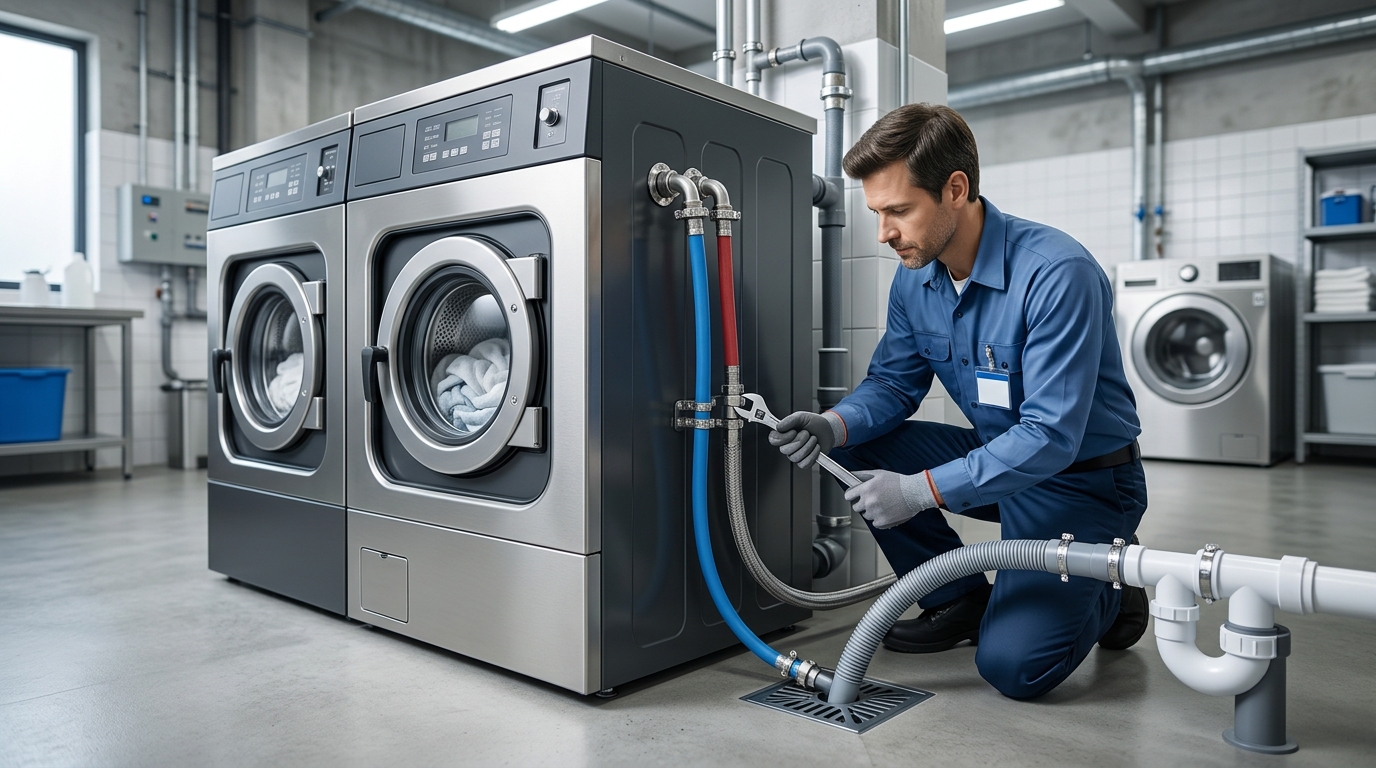
Ensuring your washing machine is correctly installed is crucial. This includes checking that all hoses are securely fastened and that the machine is level. An uneven washing machine can lead to additional strain on hoses and seals, increasing the risk of leaks.
Limiting Load Size
Every washing machine has a specified capacity. Avoid overloading your machine as this can not only lead to leaks but also cause other mechanical issues. Adhering to the manufacturer's guidelines for load size is essential for optimal performance.
Maintenance of Door Seals
To prolong the life of your door seals, regularly clean them to remove lint, dirt, and detergent residue. This prevents deterioration and maintains a proper seal. Additionally, inspect the seals for cracks or signs of wear, replacing them when necessary.
Professional Washing Machine Service
Should you encounter persistent leakage issues, it may be time to consult a professional. Engaging a Washing Machine Repair Service can provide expert insights and solutions tailored to your specific issues, ensuring that your washing machine operates efficiently.
Understanding Drainage Problems
Causes of Drainage Issues
Drainage issues can stem from various factors, such as: 1. Clogged Filters: Debris accumulating in the filter can prevent water from draining properly. 2. Kinked Hoses: Hoses that are bent or kinked can obstruct water flow toward the drainage. 3. Blocked Drain Pipes: An obstruction in the drain pipe can result in water not being able to escape. 4. Malfunctioning Pumps: If the drain pump is not functioning correctly, the water will accumulate instead of being expelled.
Identifying Signs of Drainage Problems
Look out for signs that indicate drainage issues, including: - Water not draining after a wash cycle. - Unpleasant odors coming from the washing machine. - Excessive suds or water remaining in the drum post-wash.
Preventive Measures for Drainage Issues
Routine Cleaning of Filters
Regularly cleaning the lint filter in your washing machine is vital for ensuring proper drainage. Follow the manufacturer's instructions on how to remove and clean the filter to maintain optimal performance.
Inspecting and Adjusting Hoses
Take time to inspect the drainage hose for any kinks or bends that may impede water flow. Ensure that the hose is positioned correctly, as specified in the installation guidelines, to facilitate efficient drainage.
Periodic Drainage Pipe Maintenance
To prevent blockages in your drainage system, consider periodically clearing the drain pipe. A professional service can help carry out this maintenance effectively, ensuring your washing machine continues functioning correctly.
Regular Professional Servicing
Engaging a washing machine service for regular maintenance checks can help identify and rectify potential drainage issues before they become problematic. A service professional can offer valuable insights into the longevity and functionality of your machine.
Final Thoughts
Preventing washing machine leakage and drainage problems requires proactive measures. Regular inspections, proper installation, mindful loading, and routine maintenance all contribute to the longevity and efficiency of your appliance. If you find yourself facing persistent issues, do not hesitate to consult a professional Washing Machine Repair Service. Investing in maintenance not only protects your appliance but also safeguards your home from potential water damage. By adhering to the preventive practices outlined in this article, you can enjoy a hassle-free laundry experience for years to come.
Conclusion
In conclusion, washing machine leakage and drainage problems are manageable with the right precautions and maintenance practices. By understanding the causes and taking proactive steps, you can avoid the hassles associated with water damage and appliance failure. Regularly service your machine and stay vigilant in addressing potential issues to ensure your washing machine remains a dependable ally in your home.