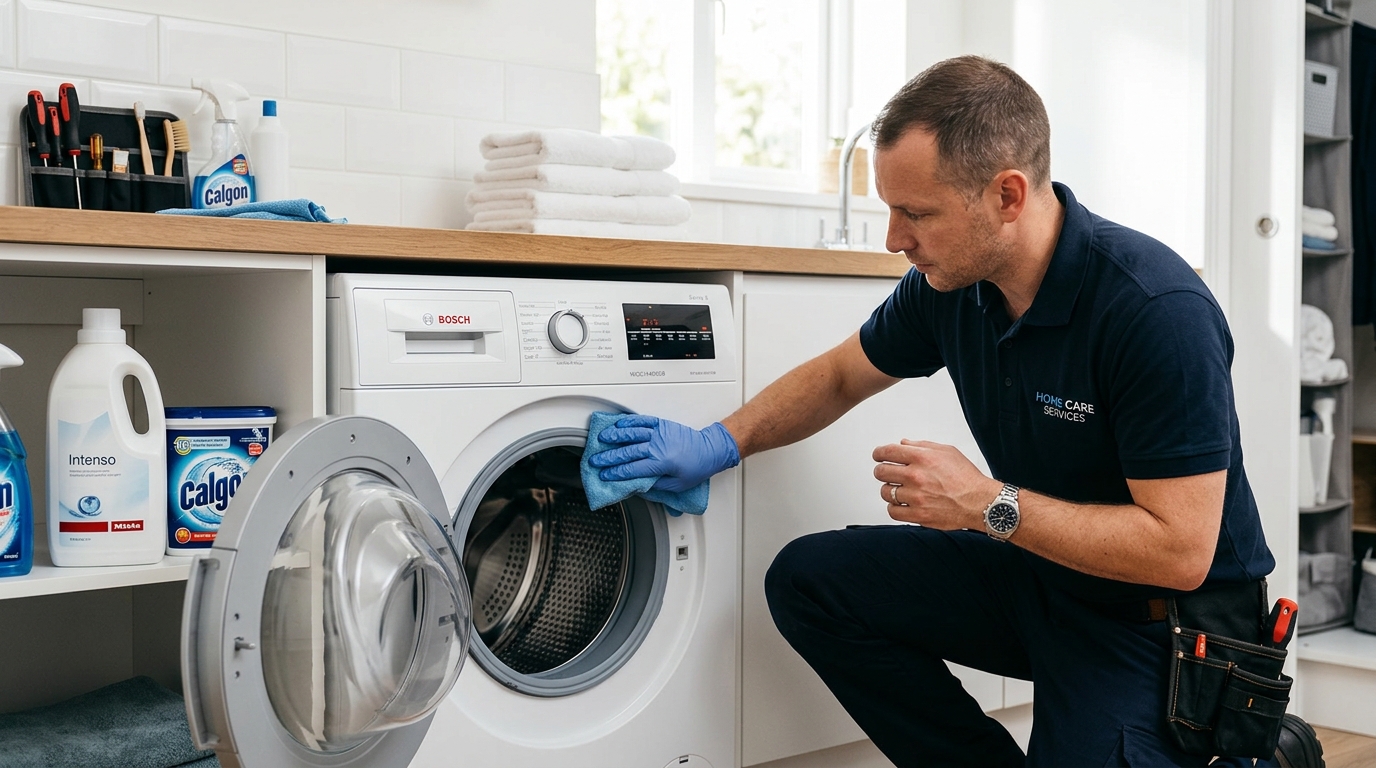
How to Reduce Washing Machine Problems With Regular Maintenance
Maintaining a washing machine is essential for ensuring its longevity and efficiency. Regular service can prevent small issues from escalating into significant problems that lead to costly repairs or even the need for a replacement. This article outlines effective strategies for maintaining your washing machine and minimizing the need for washing machine repair.
Understanding the Importance of Regular Maintenance
Washing machines are intricate appliances that have become integral to modern households. They save time and enhance convenience, but they require care and attention to perform optimally. Regular maintenance not only extends the machine's lifespan but also improves its efficiency, reducing energy consumption and saving money in the long run.
Benefits of Routine Care
-
Cost Savings: Addressing minor repair issues early can save you from more expensive problems down the line. A well-maintained machine consumes less energy and has a lower chance of incurring significant repair costs.
-
Efficiency: Regular maintenance ensures that your washing machine operates at peak efficiency, leading to better washing results. A machine that is routinely serviced will not only clean clothes more effectively but will also spin at optimal speeds, reducing drying time.
-
Longevity: Just like any other appliance, a washing machine can last significantly longer with proper care. Regular checks and services can add years to its operational life.
-
Environmental Impact: An efficient washing machine uses less water and energy, which is beneficial for the environment. Regular maintenance helps in achieving this efficiency.
Key Maintenance Tasks to Perform
To keep your washing machine running smoothly, several essential maintenance tasks should be incorporated into your routine.
1. Clean the Drum Regularly
Cleaning the drum of your washing machine is crucial for removing detergent residues and preventing mildew buildup. A clean drum ensures that your laundry is hygienic and smells fresh. Make it a habit to run an empty hot wash with a cup of white vinegar or a specialized washing machine cleaner once a month.
2. Check and Clean Filters
The filters in your washing machine catch lint, debris, and other particles. If these become clogged, it can lead to drainage issues and inefficient operation. Inspect the filters every few months and clean them to ensure proper water flow. This is a simple yet vital task that can prevent bigger issues such as leaks or slow drainage.
3. Inspect Hoses for Wear and Tear
The hoses connected to your washing machine are critical for its operation. Regularly inspect them for any signs of fraying, bulging, or leaks. Replacing old or damaged hoses can prevent major water damage in your home. It's recommended that you check the hoses every six months.
4. Level the Machine
Ensuring that your washing machine is level is often overlooked but is a key aspect of maintenance. An unbalanced machine can vibrate excessively, leading to wear and tear on components and even potential damage to your floor. Adjust the legs of the machine to ensure it is steady and level.
5. Use the Right Detergent
Using the correct type and amount of detergent is essential for maintaining your machine. Too much detergent can lead to a buildup of suds, causing leaks and inefficiency. Always refer to the manufacturer’s guidelines for the appropriate detergent type and quantity.
Scheduling Professional Washing Machine Service
While many maintenance tasks can be completed by homeowners, scheduling professional washing machine service is also crucial for comprehensive care. Trained technicians can identify issues that might not be visible to the average user and offer solutions before they escalate into significant problems.
When to Call a Professional
-
Unusual Noise: If you notice strange noises during operation, it could indicate loose components or an underlying mechanical issue. A professional can diagnose and fix the problem efficiently.
-
Water Leaks: If you spot water pooling around your machine, it is essential to call for help immediately. This could indicate a serious issue with the hoses or seals, and prompt action is necessary to prevent flooding.
-
Foul Odors: Persistent odors from your washing machine may signal a buildup of residue or mold. A professional cleaning and inspection can help eliminate the smell and prevent future occurrences.
-
Failure to Start or Complete Cycles: If your washing machine fails to start or complete a wash cycle, it could be a sign of a deeper issue. Contacting a washing machine repair service is vital in this scenario.
For those in need of professional help, consider reaching out to a reliable Washing Machine Repair Service. Experts can provide you with the necessary support to keep your appliance in optimal condition.
DIY Troubleshooting Tips
In addition to regular maintenance and professional service, there are several DIY troubleshooting steps you can take when issues arise.
1. Reset the Machine
Sometimes, simply resetting the washing machine can resolve minor issues. Unplugging the machine for a few minutes and then plugging it back in can help clear any electronic glitches.
2. Inspect for Blockages
If your washing machine is not draining properly, there may be a blockage in the drainage system. Inspect hoses and filters for clogs or obstructions that could be affecting water flow.
3. Check Door Seals
Worn or damaged door seals can cause leaks and also lead to energy inefficiency. Regularly inspecting and replacing these seals can prevent issues.
Maintaining a Schedule
Creating a maintenance schedule can significantly enhance your washing machine care strategy. Consider tracking the following:
- Monthly: Clean the drum and filters, inspect hoses, and check for leaks.
- Every six months: Level your machine and inspect the door seals.
- Annually: Schedule a professional service for a comprehensive check-up.
Conclusion
Regular maintenance of your washing machine is a straightforward yet essential task that can save you time, money, and hassle in the long run. By implementing simple cleaning routines, inspecting critical components, and enlisting professional help when necessary, you can significantly reduce the likelihood of issues arising. Remember, a well-maintained washing machine not only works better but also lasts longer. Make washing machine maintenance a part of your regular household routine, and enjoy the benefits of a reliable and efficient appliance for years to come.
Tags
- Washing Machine Care
- Appliance Maintenance
- Home Efficiency
- Household Tips
- Preventive Maintenance
Related Posts
- Common Refrigerator Problems and Repair Solutions in Kota
- Why Is Your Washing Machine Not Working Properly? Common Causes and Fixes
- Common Washing Machine Problems and Repair Solutions in Kota
- Common Refrigerator Problems and Repair Solutions in Kota
- Common Microwave Oven Problems and Repair Solutions in Prayagraj