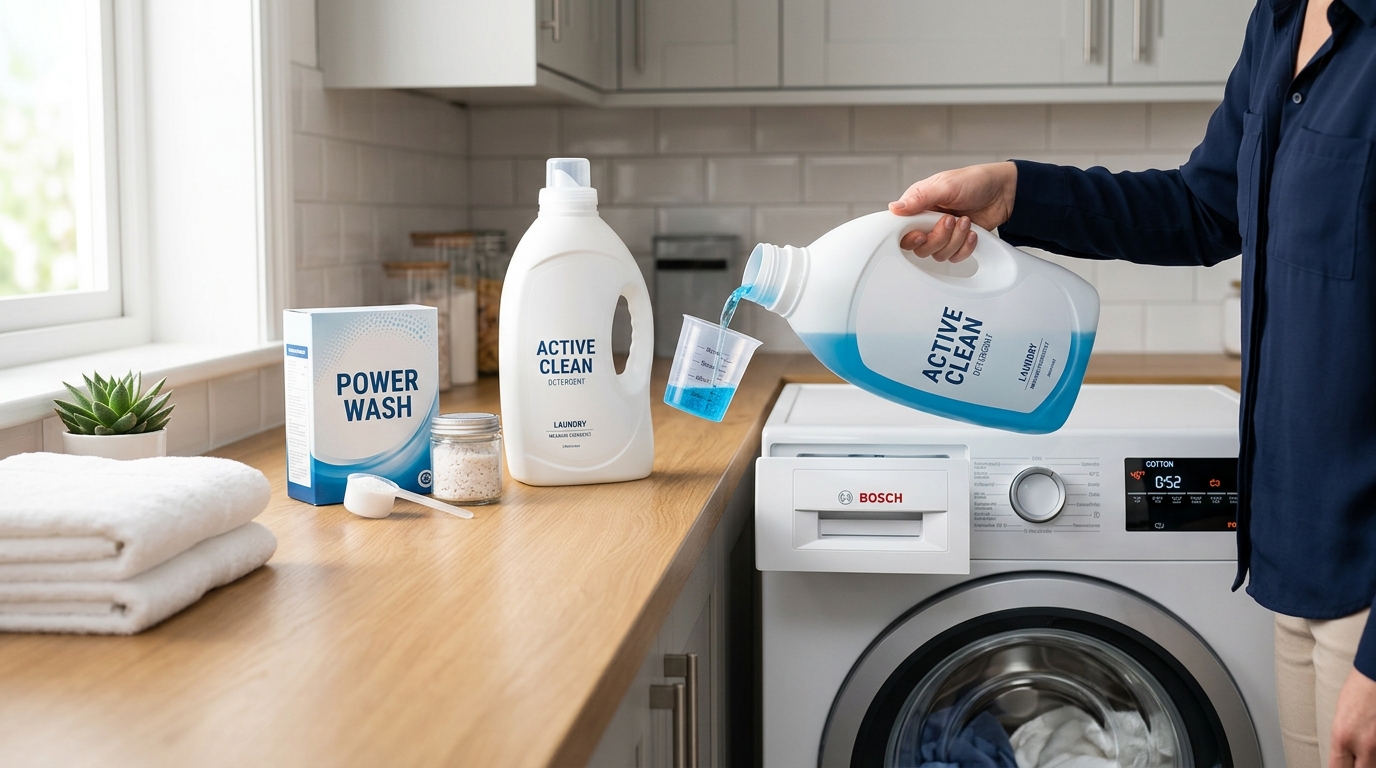
Understanding Washing Machine Detergent Problems
Washing machines have become essential household appliances, making laundry a more manageable task. However, as convenient as they are, improper use of detergent can lead to various problems, reducing the efficiency of your machine and the quality of your laundry. This article aims to clarify how much detergent you should use and the potential issues that can arise from using too much or too little.
The Role of Detergent in Laundry
Detergent serves as a cleaning agent that helps break down stains, dirt, and bacteria on your clothes. It works by attaching to particles on the fabric and allowing them to be rinsed away with water. A common misconception is that using more detergent will yield cleaner clothes. In reality, balance is key.
Types of Detergents
Before diving into the appropriate usage, it is essential to understand that there are different types of laundry detergents available in the market:
- Powder Detergent: Generally more effective for removing outdoor stains, such as mud and grass.
- Liquid Detergent: Better at treating grease and oil stains.
- Pods: Pre-measured doses that are convenient but require careful handling to avoid overuse.
How Much Detergent Should You Use?
The right amount of detergent depends on several factors, including the type of detergent, the load size, and the soil level of your laundry.
General Guidelines
- Load Size:
- Small Load: Use approximately 1-2 tablespoons of liquid detergent or 1/4 cup of powder.
- Medium Load: For a standard load, use about 2-3 tablespoons for liquid or 1/3 cup of powder.
-
Large Load: Increase to 4-5 tablespoons of liquid or up to 1/2 cup of powder.
-
Soil Level: If your clothes are heavily soiled, you may need to increase the amount of detergent slightly, but be cautious. Excess detergent can lead to residue build-up.
-
Water Hardness: If you live in an area with hard water, you may require more detergent to achieve effective cleaning. This can be due to minerals in the water that inhibit the effectiveness of the detergent.
Signs of Using Too Much Detergent
Understanding the signs that you may be using too much detergent is crucial:
- Excess Suds: If you notice a lot of suds during the wash cycle, it may indicate that you are using too much detergent. This can lead to a poor rinse and residue on clothes.
- Unpleasant Odors: A build-up of detergent can cause stinky clothes, as residues can trap odors and moisture.
- Clothes Feel Stiff or Look Dull: Residue can make fabrics feel stiff or appear less vibrant.
Signs of Using Too Little Detergent
Conversely, using too little detergent can also lead to problems:
- Stains Not Coming Out: If your clothes are still stained after washing, it's a sign that you need to use more detergent.
- Musty Smell: Insufficient detergent may allow bacteria and mildew to flourish, leading to unpleasant odors.
- Lingering Dirt: If your laundry looks or feels dirty after washing, it’s a clear indication that your detergent quantity is inadequate.
Tips for Optimal Detergent Use
- Read the Labels: Always check the manufacturer's instructions on the detergent packaging for specific guidelines related to your washing machine.
- Use the Right Detergent Type: Ensure that you are using the appropriate detergent for your washing machine type (e.g., high-efficiency machines require HE detergents).
- Adjust Based on Conditions: If you frequently wash heavily soiled items or use your machine in different water conditions, adjust your detergent accordingly.
- Regular Maintenance: Consider scheduling regular maintenance for your washing machine. A professional Washing Machine Repair Service can ensure that your machine is functioning correctly and efficiently.
- Test Different Amounts: If you're unsure how much detergent to use, try measuring different amounts over several washes to find the perfect balance for your specific needs.
Conclusion
Understanding how much detergent to use in your washing machine is an essential aspect of effective laundry care. The right balance can prevent both the overuse and underuse of detergent, ultimately saving you money and improving the longevity of both your clothes and your washing machine. By adhering to the guidelines presented and being mindful of the signs of detergent misuse, you can ensure that every wash is as effective as possible. In addition, if you encounter persistent issues with your washing machine, don't hesitate to reach out for professional assistance.
Tags
- Washing Machine Care
- Laundry Tips
- Detergent Usage
- Appliance Maintenance
- Home Cleaning Techniques