Washing Machine Maintenance: Simple Steps Every Homeowner Can Follow
Washing machines are a cornerstone of modern convenience, enabling homeowners to handle laundry with ease. However, like any appliance, they require regular maintenance to ensure optimal performance and longevity. Understanding basic washing machine maintenance can save you from costly repairs and enhance the efficiency of your appliance. This article will outline simple yet effective steps every homeowner can take to maintain their washing machine.
Understanding Your Washing Machine
Before delving into maintenance, it's crucial to understand the fundamental components of your washing machine. Most machines consist of a water inlet valve, drum, agitator, and a pump. Familiarizing yourself with these components can help you identify potential issues during your maintenance routine.
Regular Cleaning of the Drum and Seals
Cleaning the Drum
One of the most straightforward maintenance tasks is cleaning the drum of your washing machine. Over time, residue from detergent, fabric softeners, and dirt can accumulate, leading to odors and potential malfunctions. To clean the drum: - Run a hot water cycle with no laundry inside. - Add two cups of white vinegar or baking soda to the detergent compartment. This cleaning should be done every few months to keep your machine fresh.
Inspecting the Seals
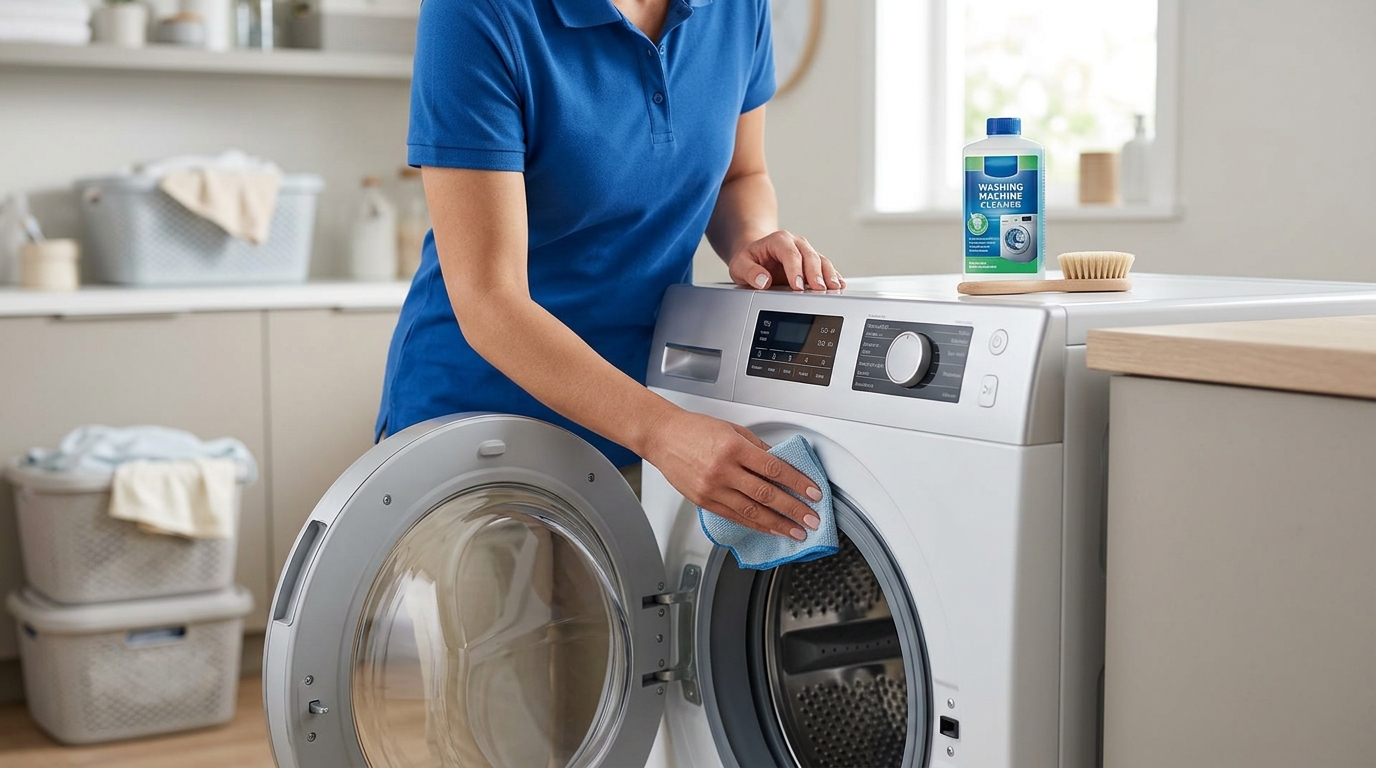
The rubber seals around the door or lid can harbor mold and mildew if not properly maintained. Wipe the seals with a damp cloth regularly, and ensure there is no trapped debris. This simple act helps prevent leaks and extends the life of your washing machine.
Checking and Cleaning the Filters
Most washing machines are equipped with filters that trap lint, hair, and other debris. Cleaning these filters is an essential step in maintenance. Here’s how to do it: - Locate the filter, which is usually found near the water inlet or at the bottom of the machine. - Remove and rinse under running water to eliminate accumulated debris. Regularly checking and cleaning the filters can enhance the efficiency of your washing machine and prevent blockages that may lead to breakdowns.
Managing Detergent Use
Using the correct amount of detergent is critical for the efficiency and longevity of your washing machine. Overusing detergent can lead to suds buildup, which may cause mechanical issues. Here are a few tips: - Follow the manufacturer’s instructions regarding the type and amount of detergent to use. - Consider switching to high-efficiency (HE) detergent if your machine requires it. HE detergents produce fewer suds and are designed to work optimally in high-efficiency machines. Proper detergent management will not only improve washing performance but also reduce the need for washing machine repair services due to residue buildup.
Leveling Your Washing Machine
A washing machine that is not level can cause excessive vibrations during the spin cycle, leading to potential damage over time. To ensure your washing machine is properly positioned: - Use a level to check the machine's balance. - Adjust the machine’s feet as needed to achieve a level position. This minor adjustment can prevent unnecessary wear and tear, paving the way for a longer lifespan for your appliance.
Inspecting Hoses and Connections
Regularly checking the hoses and connections is an often-overlooked maintenance task that can prevent significant issues. Examine the following: - Water Supply Hoses: Check for cracks, kinks, or leaks. Replace hoses every five years. - Drain Hose: Ensure there are no blockages and that it is positioned correctly to avoid water backflow. - Connections: Tighten any loose fittings to prevent leaks. Taking time to inspect these components can save you from emergency washing machine repair situations in the future.
Scheduling Professional Washing Machine Service
While routine maintenance is essential, there may be times when professional intervention is necessary. Scheduling regular servicing can ensure that your washing machine remains in good working order. A qualified technician can help with: - Ensuring that all components are functioning correctly. - Identifying any early signs of wear or malfunction. - Providing specific tips tailored to your machine's model and brand. For those in need of assistance, consider checking out Washing Machine Repair Service options in your area.
Observing Performance Changes
Another crucial aspect of washing machine maintenance is paying attention to any changes in performance. Be alert for signs that may indicate a problem, such as: - Unusual noises during operation. - Water not draining completely. - Excessive vibration during the spin cycle. Noting these changes early allows for timely intervention, preventing minor issues from escalating into major problems.
Conclusion
Maintaining your washing machine entails a combination of regular cleaning, inspection, and mindfulness of its performance. Following the steps outlined in this article will not only enhance the efficiency and longevity of your appliance but may also prevent unforeseen repair costs. By committing to a routine maintenance schedule, you invest in the durability of your machine, ensuring that it continues to serve your household for years to come.
For more specialized assistance, don’t hesitate to explore professional washing machine services as needed.
By adhering to these simple practices, every homeowner can ensure their washing machine operates smoothly and effectively.