Washing Machine Maintenance Tips for Humid Weather and Everyday Use
Maintaining your washing machine is essential, especially in humid climates where moisture can impact its functionality and longevity. Regular upkeep not only enhances performance but also prevents the need for costly repairs. This article provides a comprehensive guide on how to care for your washing machine during humid weather and in daily use.
Understanding the Importance of Maintenance
Washing machines are crucial appliances in modern households, facilitating the cleaning of clothes efficiently. However, neglecting maintenance can lead to various issues, including mold growth, foul odors, and mechanical failures. Regular maintenance can ensure the appliance runs smoothly and extends its lifespan, reducing the frequency of washing machine repair services.
Humidity's Impact on Washing Machines
In humid environments, excess moisture can lead to several problems for washing machines. Here are some key impacts:
1. Mold and Mildew Growth
Moist conditions can foster the growth of mold and mildew, particularly in the rubber seals and drum of the washing machine. This not only affects the hygiene of your laundry but can also lead to unpleasant odors.
2. Rust and Corrosion
Metal parts of the washing machine may be susceptible to rust and corrosion due to high humidity levels. This can lead to mechanical problems, necessitating professional washing machine repair.
3. Performance Issues
Inconsistent performance can arise when humidity affects the electronic components or the internal mechanics of the machine. This may result in slower wash cycles or improper rinsing of clothes.
Essential Washing Machine Maintenance Tips
To ensure your washing machine continues to operate effectively, consider the following maintenance tips:
1. Regular Cleaning
Inside the Drum
Periodically clean the drum of your washing machine by running a hot wash cycle with no laundry and adding a cup of vinegar. This will help eliminate any mildew or odor-causing residues.
Door Seals and Detergent Drawer
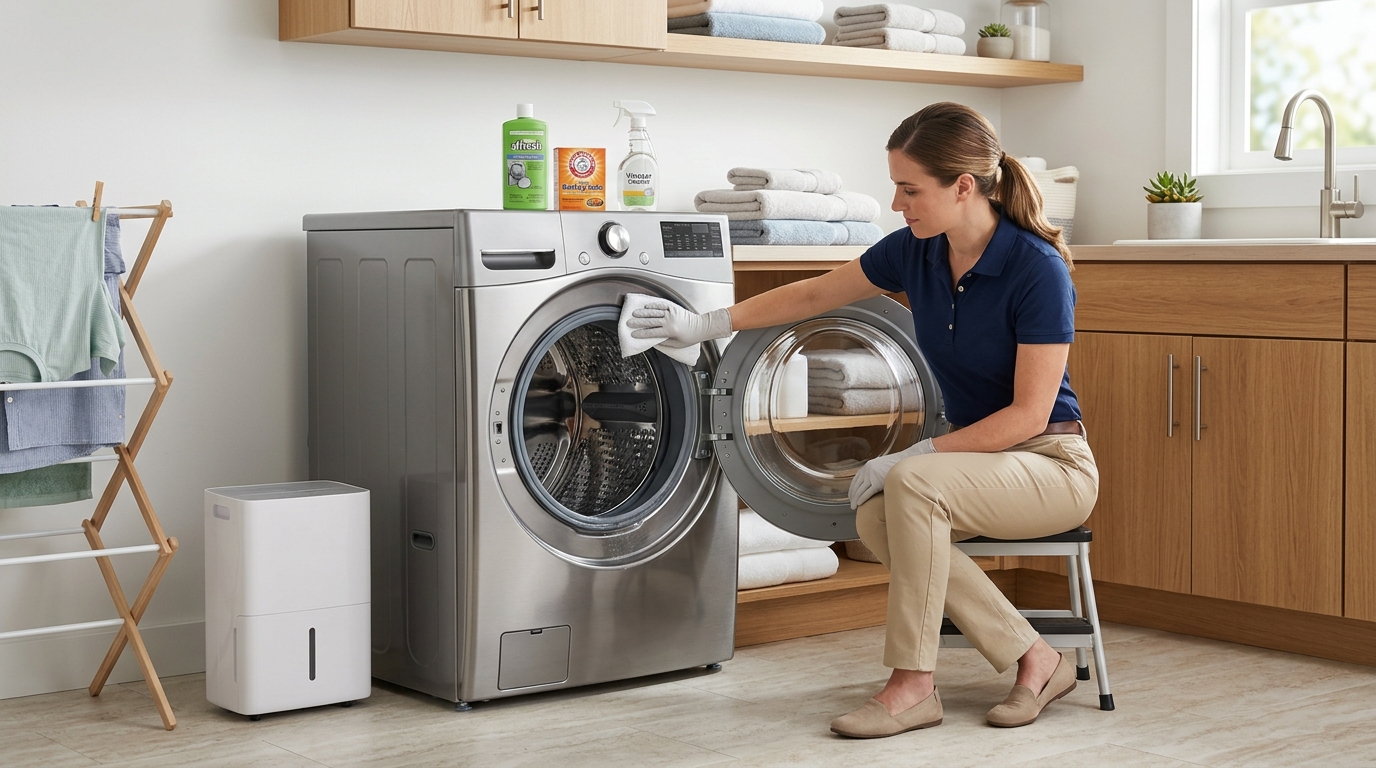
Make it a habit to clean the rubber door seals and the detergent drawer. Use a damp cloth to wipe away any buildup of detergent or fabric softener that can lead to mold growth.
2. Keep the Machine Dry
After each use, leave the door ajar to allow air circulation and moisture to evaporate. This simple step can significantly reduce the chances of mold formation and unpleasant odors.
3. Regularly Check Hoses and Filters
Inspect the hoses and filters for any signs of wear or blockage. Clogged filters can lead to inefficient washing performance and may also cause leaks. If issues persist, consider seeking a professional washing machine service for thorough checks.
4. Ensure Proper Ventilation
If your washing machine is in a laundry room, ensure that the area is well-ventilated. This can help control humidity levels and prevent moisture buildup. If necessary, consider using a dehumidifier.
5. Use Quality Detergents
Choose high-quality detergents that are designed for your specific washing machine. Using the wrong type can cause excessive suds and leave residues that harm the machine over time.
Troubleshooting Common Issues
Despite regular maintenance, you may encounter occasional issues with your washing machine. Here are some common problems and their potential solutions:
1. Excessive Noise
If your washing machine is unusually noisy during cycles, check for loose items in the drum or uneven leveling of the machine. Adjust the feet as required to ensure stable placement.
2. Leaks
Leaks can arise from damaged hoses or improperly sealed connections. Inspect the hoses for cracks or wear and replace them if necessary. For persistent leaks, contact a washing machine repair service.
3. Incomplete Cycles
If your washing machine stops mid-cycle, check for blockages in the drainage system, as this can prevent proper water flow. Ensure that your machine is not overloaded, as this can also lead to cycle interruptions.
When to Seek Professional Help
While many maintenance tasks can be handled independently, certain problems require professional intervention. Here are signs you should contact a washing machine service:
1. Persistent Errors
If error codes appear frequently or the machine continues to malfunction despite troubleshooting, professional assessment is necessary.
2. Foul Odors
If persistent odors remain after cleaning, it may indicate a deeper problem such as mold buildup within the machine’s internal mechanisms, requiring expert attention.
3. Structural Issues
Visible damage to the machine or leaking water around the appliance can indicate significant problems that should be addressed by a skilled technician. For a reliable service option, consider a Washing Machine Repair Service that offers thorough diagnostics.
Conclusion
Maintaining your washing machine, especially in humid weather, is vital for its efficiency and longevity. Implementing regular cleaning routines, ensuring proper ventilation, and being proactive in troubleshooting can prevent numerous issues from arising. Should you encounter significant problems, do not hesitate to seek professional assistance. A well-maintained washing machine will not only perform better but also save you from unnecessary repair costs.
By following these tips, you can enjoy clean laundry while enhancing the lifespan of your washing machine, making it a dependable appliance in your home.
Related Posts
- A Practical Guide to Microwave Repair Services in Siliguri
- Why Regular Refrigerator Maintenance Matters in Kolkata
- Common Air Purifier Problems and Repair Solutions in Prayagraj
- Finding Reliable Air Purifier Services in Prayagraj: A Comprehensive Guide
- How Professional Microwave Technicians Help in Agra