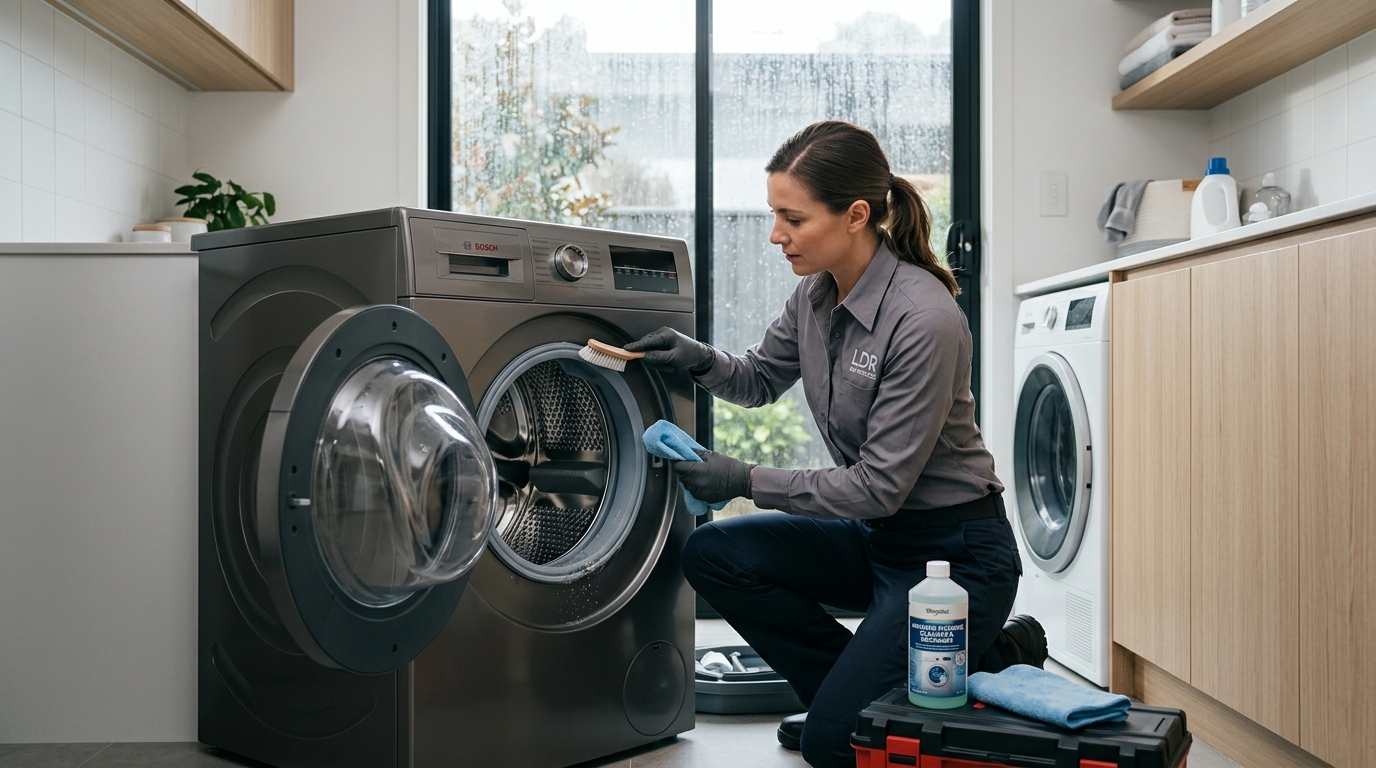
Washing Machine Maintenance Tips for Rainy and Humid Conditions
Washing machines are essential household appliances that simplify the task of laundry. However, their performance can be significantly affected by weather conditions, particularly during rainy and humid seasons. Understanding how to maintain your washing machine during these times can help prevent breakdowns and extend its lifespan. This article outlines practical maintenance tips for washing machines to ensure they operate efficiently even in challenging weather conditions.
Understanding the Impact of Humidity on Washing Machines
Humidity can have various effects on washing machines. The moisture in the air can lead to mold and mildew growth, especially in the drum and door seals. Additionally, high humidity can cause rusting or corrosion of metal components. Therefore, proactive maintenance is crucial. Regularly inspecting and cleaning the appliance can help mitigate these issues.
Importance of Regular Cleaning
One of the most effective ways to maintain your washing machine is through regular cleaning. When humidity is high, cleaning becomes even more critical. Here are steps to keep your washing machine in top condition:
- Wipe Down Surfaces: After each wash, use a clean cloth to wipe down the door and the outer surfaces of the machine to remove any moisture.
- Clean the Drum: Monthly, run an empty cycle with hot water and a cup of white vinegar. This helps to eliminate odors and prevents mold growth.
- Check the Detergent Dispenser: Moist conditions can cause detergent buildup, leading to blockages. Remove and clean the dispenser regularly.
Preventing Mold and Mildew
Mold and mildew thrive in moist environments, making them a common issue during rainy seasons. To combat this, consider the following:
Leave the Door Open
After running a wash cycle, leave the washing machine door open for a few hours. This allows air to circulate inside the drum, reducing moisture accumulation. Ensuring that the interior dries out helps prevent mold growth.
Use a Dehumidifier
If you live in an area with significant humidity, using a dehumidifier in the laundry room can help control moisture levels. This not only benefits your washing machine but also creates a healthier environment in your home.
Regular Maintenance Checks
Routine maintenance checks are vital for preserving the integrity of your washing machine. Here are a few components to inspect:
Inspect Hoses
Check the hoses for any signs of wear or leaks. During high humidity, hoses can become brittle or develop mold. Replace any damaged hoses immediately to prevent water damage in your home.
Examine the Drum
A quick visual inspection of the drum can help spot any unusual wear or buildup. If you notice discoloration or buildup, it's time for a thorough cleaning or consultation with a washing machine repair service.
Choosing the Right Detergent
Using the appropriate detergent is essential for optimal washing machine performance. In humid conditions, certain detergents may clump or degrade faster. Consider using a high-efficiency (HE) detergent that is designed to work well in varying conditions, including high humidity.
Avoid Overusing Detergent
Overusing detergent can lead to excessive suds, which can affect the washing machine’s performance. During humid weather, this issue can be exacerbated, leading to under-washing or even machine errors. Follow the guidelines on detergent packaging to ensure you are using the correct amount.
Addressing Odors
Odors can develop in a washing machine due to trapped moisture and debris. Here are some steps to tackle this issue:
Regularly Use Hot Water Cycles
Incorporating a hot water cycle into your washing routine can help eliminate odors and keep the drum fresh. This practice is particularly effective during rainy months when dampness is more prevalent.
Baking Soda and Vinegar
Using baking soda and vinegar is a natural and effective way to combat odors. Run a cycle with hot water, adding a cup of baking soda and a cup of vinegar, to neutralize any unpleasant smells.
When to Seek Professional Help
Despite diligent maintenance, there may be instances where professional help is necessary. If you notice any of the following signs, it is advisable to contact a washing machine repair service:
- Unusual noises during operation
- Leaking water
- Error codes on the display
- The machine fails to start or complete cycles
For comprehensive solutions, consider reaching out to a Washing Machine Repair Service that can diagnose and address technical issues effectively.
Preparing for the Off-Season
When the rainy season comes to an end, it’s important to prepare your washing machine for drier conditions. This involves:
Deep Cleaning
Conduct a thorough deep cleaning of the washing machine, focusing on all components, including the drum, hoses, and detergent compartments. This will help remove any residual mold or mildew that may have developed during the humid months.
Inspect for Damage
Check for any damage that might have gone unnoticed during the rainy season. Addressing these issues promptly can save you from more extensive repairs later on.
Conclusion
Maintaining your washing machine during rainy and humid conditions is essential to ensure it works efficiently and lasts longer. By following the tips provided in this article, you can prevent common issues such as mold growth, odors, and mechanical failures. Regular cleaning, proper ventilation, and using the right detergents can significantly enhance your washing machine's performance. Should you encounter persistent issues, do not hesitate to consult a professional washing machine repair service for assistance. With the right care, your washing machine will continue to serve you well through all seasons.
Related Posts
- How to Choose a Reliable Kitchen Chimney Repair Service in Ballari
- How to Choose a Reliable Kitchen Chimney Repair Service in Ballari
- Benefits of Professional Vacuum Cleaner Servicing in Nagpur
- How to Find Reliable Microwave Repair Service in Ballari
- Benefits of Professional Vacuum Cleaner Servicing in Nagpur