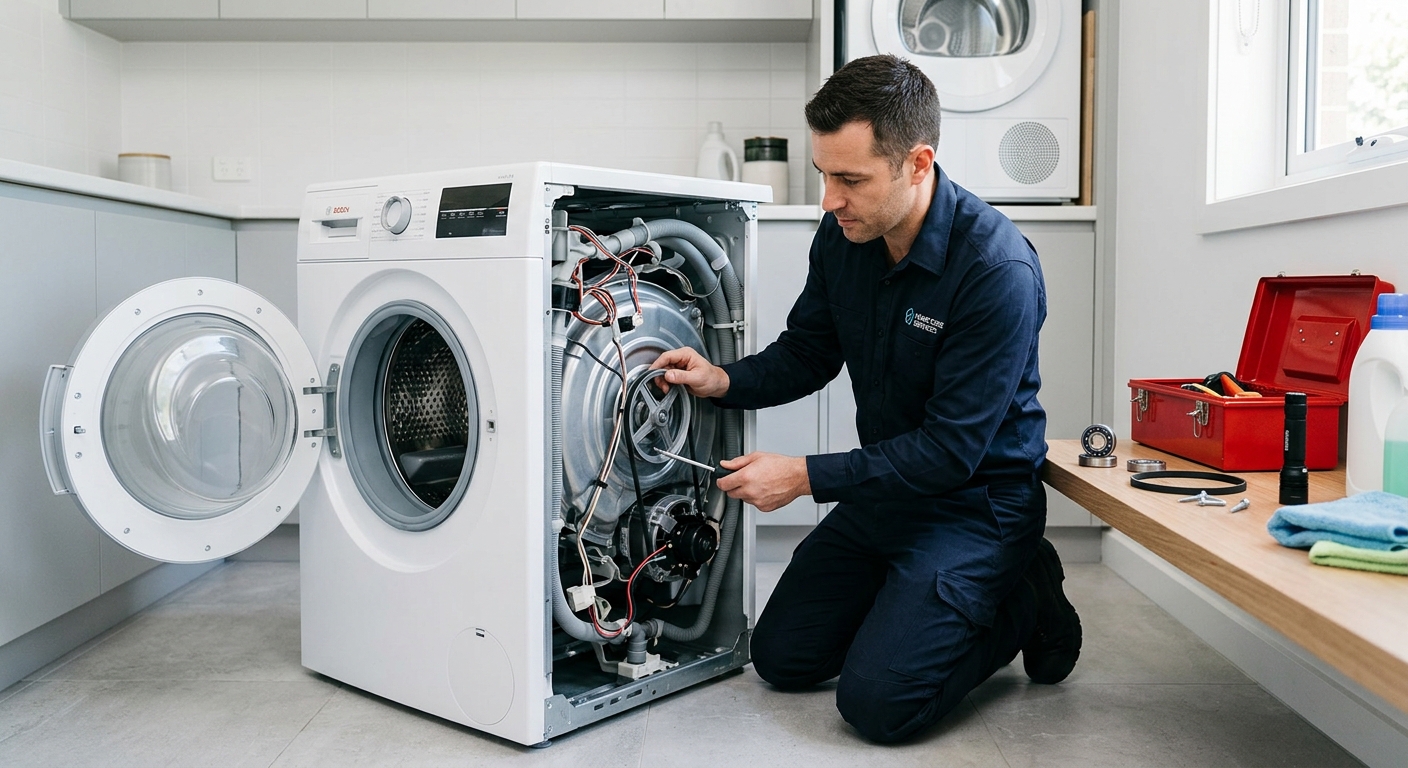
Washing Machine Making Noise? Common Reasons and What to Check
Washing machines are one of the most essential appliances in modern homes. They save time and effort, making laundry day more manageable. However, when your washing machine starts making unusual noises, it can be a cause for concern. Understanding why this happens and what you can do about it is crucial for maintaining the efficiency and longevity of your appliance. This article will explore common reasons your washing machine may be noisy and provide actionable steps for troubleshooting.
Common Noises from Washing Machines
Washing machines can produce various sounds during their operation. Some noises are completely normal, while others may indicate underlying issues. Here are some prevalent sounds you might hear:
1. Thumping or Banging Sounds
If your washing machine makes thumping or banging noises, it is often due to an unbalanced load. When the laundry is unevenly distributed in the drum, it can lead to excessive movement during the spin cycle. To resolve this, pause the machine and redistribute the clothes evenly. If this doesn't work, check if the machine is level on the floor, as leveling feet may need adjustment.
2. Grinding Noises
Grinding sounds typically indicate that something is obstructing the drum or the motor is struggling to operate correctly. This may be caused by items like coins or small objects that have slipped into the drum or involved in the pump. Inspecting the drum for foreign objects is essential. If the problem persists, you might need to consult a professional washing machine service to diagnose and address the issue.
3. Squeaking or Squealing
A squeaking sound can be caused by worn or damaged drive belts or other moving parts. It can also occur if the machine is not appropriately leveled. Regular maintenance, including checking the condition of the belts, can help prevent this noise. If the belts are frayed or cracked, they will need replacement, which may require the expertise of a qualified washing machine repair technician.
4. Humming or Buzzing
A humming or buzzing noise may indicate that the washing machine is not draining properly or that it is not receiving enough water. Check the water supply to ensure that hoses are connected correctly and that there is no obstruction in the filters. If the sound persists, it may be time to contact a washing machine repair service for further inspection.
Troubleshooting Steps
When faced with a noisy washing machine, there are several troubleshooting steps you can take before calling in a technician.
Step 1: Inspect the Load
Always start by checking the load in the washing machine. An unbalanced load is a common reason for excessive noise. Remove some items if necessary and redistribute the clothes to eliminate the problem.
Step 2: Check for Obstructions
Inspect the drum for any small items or debris that might be causing the noise. Coins, buttons, or other objects can get trapped and create unwanted sounds during the wash cycle. If you find something, remove it carefully.
Step 3: Examine the Feet
Ensure your washing machine is level. Use a spirit level to check. If it's not level, adjust the feet accordingly. A level washing machine is less likely to vibrate excessively and create noise.
Step 4: Inspect Hoses
Check the hoses connected to your washing machine for bends or kinks. Ensure they are not obstructed and that water can flow freely. Clean any filters in the hoses if necessary.
Step 5: Consider Maintenance
Regular maintenance can prevent many issues with your washing machine. Clean the drum, check hoses and belts, and remove any lint or debris from filters. Keeping your machine well-maintained will help it run smoothly and quietly.
When to Call a Professional
If you have attempted the above troubleshooting steps and the noise persists, it may be time to call a professional. Certain issues, such as motor or pump failures, require expert knowledge and tools to fix. Attempting to repair these components without proper training can lead to further damage or safety risks.
For comprehensive assistance, consider reaching out to a trusted Washing Machine Repair Service. Professional technicians can diagnose the problem accurately and recommend the best course of action.
Preventive Measures
Taking preventive measures can save you time and money in the long run. Here are some tips to keep your washing machine running smoothly:
1. Load Wisely
Avoid overloading your machine. Follow the manufacturer's guidelines regarding load sizes to prevent strain on the motor and internal components.
2. Regular Cleaning
Regularly clean your washing machine, including the drum and detergent dispensers. This helps prevent buildup that can lead to noise and operational issues.
3. Schedule Maintenance
Consider scheduling annual maintenance checks with a qualified technician. Regular inspections can catch potential problems early and ensure your washing machine operates efficiently.
4. Use Anti-Vibration Pads
If your washing machine is particularly noisy, consider using anti-vibration pads. These can help dampen sound and reduce movement during operation.
Conclusion
A noisy washing machine can be frustrating, but understanding the common causes and troubleshooting steps can help you address the issue effectively. Regular maintenance and careful loading can prevent many problems from arising in the first place. If you find yourself unable to resolve the noise issue, don't hesitate to seek professional help. A qualified washing machine repair service can provide the expertise you need to keep your appliance running smoothly for years to come. By taking these steps, you can ensure that your washing machine remains a valuable asset in your home, providing efficient and quiet service.
Related Posts
- How to Find an Experienced Refrigerator Technician in Prayagraj
- Why Regular Refrigerator Maintenance Matters in Kolkata
- Common Geyser Problems and Repair Solutions in Prayagraj
- Common Microwave Oven Problems and Repair Solutions in Prayagraj
- How to Choose a Reliable Washing Machine Repair Service in Prayagraj