Washing Machine Not Spinning Properly? Common Causes and Fixes
A washing machine is an essential appliance in modern homes, providing convenience and saving time in the laundry process. However, when a washing machine does not spin properly, it can cause frustration and disrupt your routine. Understanding the possible causes and solutions can help you troubleshoot the issue effectively. This article will explore common reasons why your washing machine may be failing to spin and offer practical fixes.
Understanding the Functionality of a Washing Machine
Before delving into the common issues, it is crucial to understand how a washing machine operates. The spinning mechanism is designed to extract excess water from clothes, reducing drying time and enhancing efficiency. For the spin cycle to function correctly, several components must work together seamlessly.
Common Causes of Washing Machine Spin Issues
1. Overloading the Machine
One prevalent cause of a washing machine not spinning properly is overloading. When too many clothes are packed into the drum, the machine becomes unbalanced, preventing it from spinning effectively. It is essential to adhere to the manufacturer's recommended load limit to allow the drum to rotate freely.
2. Imbalanced Loads
Even with an appropriate load, an imbalanced distribution of clothes can cause similar issues. Heavy items like towels or blankets should be evenly distributed with lighter items. If the load is unbalanced, the washing machine may not spin at all, or it will make loud noises during the cycle. Redistributing the laundry can often resolve this issue.
3. Clogged Drainage System
Another common problem is a clogged drainage system. When water cannot drain properly, the washing machine may refuse to enter the spin cycle. To check for this issue, inspect the drain hose for kinks or obstructions. It may also be helpful to clear any debris from the pump filter, which can inhibit drainage.
4. Faulty Door Lock Mechanism
Modern washing machines are equipped with door lock mechanisms that prevent operation if the door is not securely closed. If the door lock is malfunctioning, the washing machine may not spin. Ensure that the door closes properly, and consider inspecting the lock if you suspect it is faulty.
5. Motor Issues
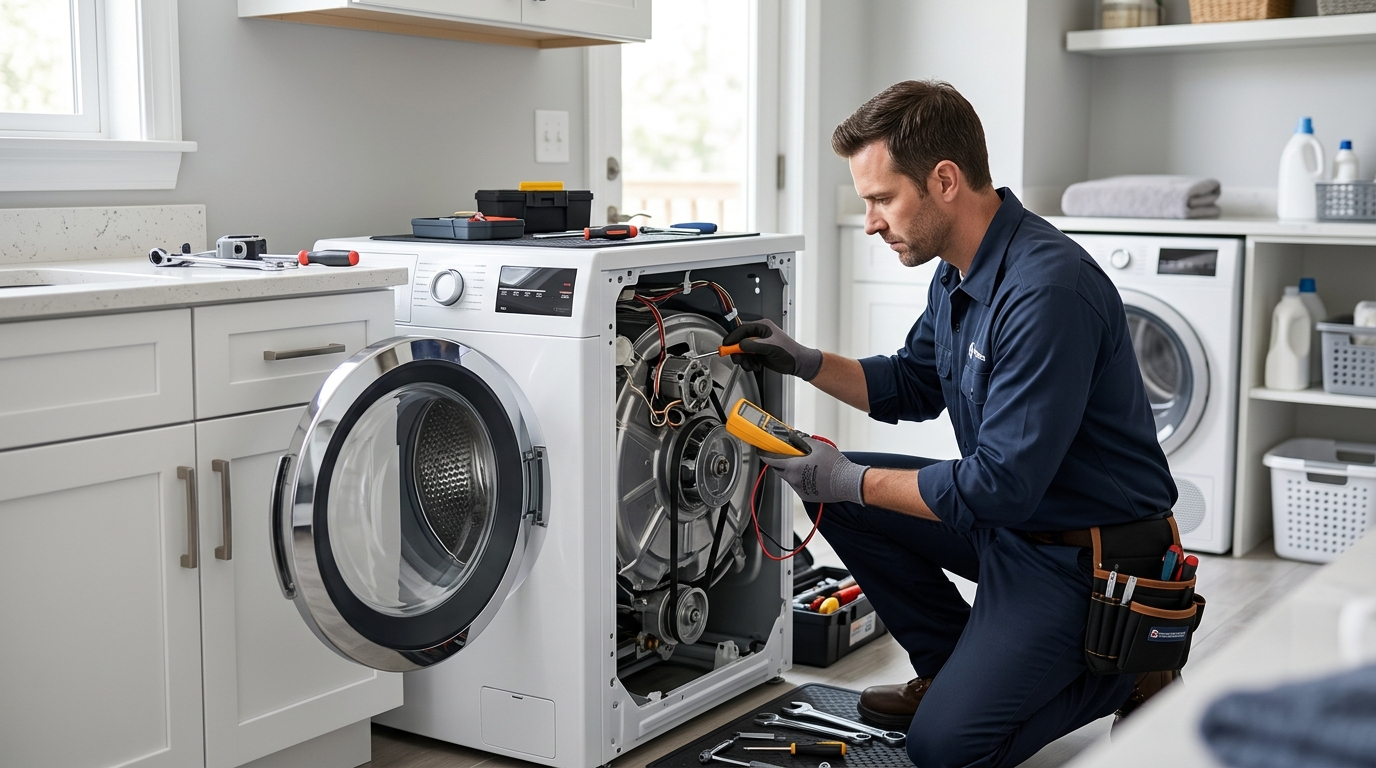
The motor is the heart of the washing machine, responsible for driving the drum's rotation. If the motor is malfunctioning or has overheated, it may prevent the washing machine from spinning. In such cases, it is advisable to consult a professional washing machine repair service to diagnose and resolve the issue. Washing Machine Repair Service providers can offer expert assistance to get your machine back in working order.
Solutions for Common Washing Machine Spin Issues
1. Adjusting the Load
To address overloading or imbalanced loads, remove some items to ensure the drum is not overloaded. Try redistributing clothes evenly to maintain balance during the spin cycle.
2. Cleaning the Drainage System
To clear a clogged drainage system, detach the drain hose and inspect it for blockages. You can also check the pump filter for debris. Cleaning these components regularly can help prevent future issues.
3. Inspecting and Repairing the Door Lock
Examine the door lock mechanism to ensure it is functioning correctly. If you notice any damage or misalignment, it may need repair or replacement.
4. Checking the Motor
If the motor is suspected to be faulty, professional assistance is often necessary. A qualified technician can evaluate the motor and advise on repairs or replacements as needed.
Preventive Measures for Washing Machine Maintenance
Regular maintenance can help prevent issues with your washing machine, ensuring it runs efficiently. Here are some preventive measures to consider:
1. Regular Cleaning
Schedule regular cleanings of the drum and drainage system to remove any buildup of detergent residues and lint. Many washing machines have self-cleaning cycles, which can be utilized to maintain cleanliness.
2. Monitor Load Limits
Be mindful of the weight limit specified in the user manual. Avoid overloading the machine, and consider washing heavy items separately to prevent damage.
3. Inspect Hoses and Connections
Periodically check hoses for any cracks or leaks, as they can lead to water damage and inefficient operation. Replacing worn hoses promptly can prevent more severe issues in the future.
4. Use High-Efficiency Detergent
If your washing machine is high-efficiency (HE), ensure you use the appropriate HE detergent. Regular detergents can produce excess suds, leading to malfunctions in the spin cycle.
When to Seek Professional Help
If you continue to experience issues with your washing machine despite implementing these fixes, it may be time to consult a professional. Certain problems, such as motor failure or complex mechanical issues, require specialized knowledge and tools. Engaging a reliable washing machine repair service can save you time and ensure that your appliance is repaired correctly.
Conclusion
A washing machine not spinning properly can be a significant inconvenience, but understanding the common causes and solutions can empower you to take action. By monitoring your machine's usage, maintaining a balanced load, and adhering to regular maintenance practices, you can help prevent issues before they arise. If problems persist, do not hesitate to reach out to a professional washing machine repair service for expert assistance. By addressing these concerns promptly, you can ensure your washing machine continues to operate effectively for years to come.