Washing Machine Not Taking Water? What You Should Check First
Washing machines have become an essential household appliance, streamlining our laundry tasks and saving us time. However, encountering issues such as a washing machine not taking water can be frustrating. This article will guide you through the initial checks and considerations to remedy the situation effectively.
Common Reasons Why Your Washing Machine Isn't Filling with Water
Before calling for professional washing machine service, it's wise to explore a few potential causes that you might be able to address yourself. Below are the most common reasons your washing machine is not taking water.
1. Water Supply Issues
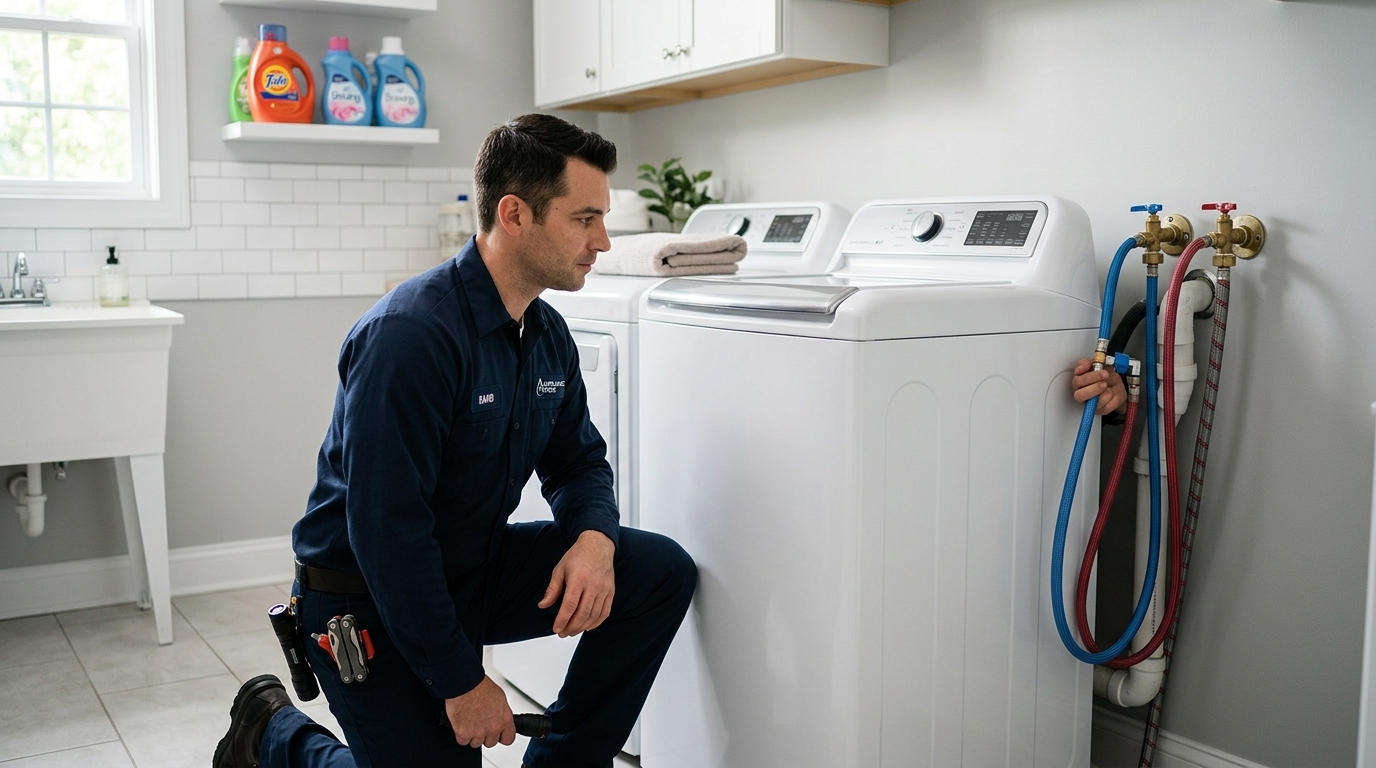
The first thing to check is the water supply. Ensure that the water valves connected to the washing machine are fully open. It is not uncommon for these valves to be accidentally turned off, leading to insufficient water flow. Additionally, inspect the hoses for any kinks or bends that could impede water flow.
Steps to Check Water Supply:
- Locate the water supply valves behind the washing machine.
- Turn the valves counter-clockwise to ensure they are completely open.
- Check the hoses connected to the back of the machine for any visible damage.
2. Clogged Inlet Filters
Washing machines often have inlet filters designed to catch debris and sediment. Over time, these filters can become clogged, preventing water from entering the machine. To check for this issue, you will need to remove the hoses and inspect the filters situated at the inlet ports.
How to Clean Inlet Filters:
- Disconnect the washing machine from the power source.
- Carefully remove the hoses from the back of the machine.
- Clean any debris from the filters using a soft brush or cloth.
3. Faulty Water Inlet Valve
If the water supply is adequate and the inlet filters are clean, the next component to inspect is the water inlet valve. This valve controls the flow of water into the machine and can malfunction over time. Signs of a malfunctioning valve include unusual noises or the failure to stop water flow when the cycle is complete.
Steps to Test the Inlet Valve:
- With the machine unplugged, use a multimeter to test the valve for continuity.
- If the valve is found to be defective, it will need replacement.
4. Control Board Issues
Modern washing machines are equipped with control boards that manage various functions, including water intake. If all else fails, the control board might be the culprit. A malfunction in the board can prevent the machine from receiving signals to fill with water.
Identifying Control Board Problems:
- Observe for error codes or flashing lights on the display panel.
- Consult your washing machine's manual for troubleshooting tips specific to your model.
Additional Troubleshooting Tips
If the above checks do not resolve the issue, consider the following additional troubleshooting steps.
1. Inspect the Drain Hose
An incorrectly positioned drain hose can also affect water intake. Ensure that the hose is correctly installed according to the manufacturer's specifications. If the hose is too low or submerged in water, it may create a siphoning effect that prevents the machine from filling properly.
2. Check for Power Supply Issues
Sometimes, the problem may lie not in the water supply but in the power supply to the washing machine. Check if the machine is receiving power by plugging in a different appliance to the same outlet. If there is no power, check the circuit breaker or fuse and reset it if necessary.
3. Use a Professional Washing Machine Repair Service
If you have performed all the above checks and your washing machine still does not take water, it may be time to call in a professional. A reliable Washing Machine Repair Service can diagnose the problem and provide appropriate solutions. Attempting to repair the machine without expertise can lead to further damage or unsafe conditions.
Conclusion
A washing machine that fails to take water can disrupt your laundry routine significantly. However, by systematically checking the water supply, inlet filters, and potential mechanical errors, you can often resolve the issue yourself. Should these initial checks prove unsuccessful, enlisting the help of a qualified professional will ensure that your machine is serviced correctly and efficiently, restoring its functionality and reliability.
By keeping these tips in mind, you can maintain your washing machine in good working order and avoid unnecessary stress in the future. Regular maintenance will help extend the lifespan of your appliance and enhance its performance.
Final Thoughts
Maintaining a basic understanding of your washing machine's operation is crucial for effective troubleshooting. Remember to treat these appliances gently and seek professional assistance when needed. The right care and maintenance can keep your washing machine running smoothly for years to come.
Related Posts
- Washing Machine Not Spinning? Repair Options in Lucknow
- How to Maintain Your Washing Machine for Better Cleaning Performance
- How to Find an Experienced Kitchen Chimney Technician in Lucknow
- How to Choose a Reliable RO Water Purifier Service in Bijnor
- Benefits of Professional Air Purifier Servicing in Ujjain