Washing Machine Spin Cycle Problems: Causes and Practical Solutions
Washing machines are essential appliances in our daily lives, providing convenience and efficiency. However, they can encounter various problems, especially during the spin cycle, which is crucial for removing excess water from clothes. This article explores the common causes of washing machine spin cycle problems and offers practical solutions.
Understanding the Importance of the Spin Cycle
The spin cycle is designed to extract moisture from wet clothes, reducing drying time significantly. A well-functioning spin cycle not only enhances the washing process but also contributes to the longevity of garments. When issues arise, the impact can be frustrating and inconvenient, often requiring immediate attention to restore functionality.
Common Causes of Spin Cycle Problems
1. Unbalanced Load
One of the most frequent reasons for spin cycle issues is an unbalanced load. When clothes are unevenly distributed in the drum, the washing machine may struggle to achieve the necessary spin speed. This results in poor water extraction and can lead to excessive vibrations or the machine stopping mid-cycle.
Solution: Adjust the Load
To resolve this, stop the machine and redistribute the clothes evenly. If the load is too heavy or contains bulky items like towels or blankets, consider reducing the amount of laundry. This adjustment allows the washing machine to operate smoothly, completing the spin cycle effectively.
2. Clogged Drain or Hose
A clogged drain or hose can impede water flow during the spin cycle. If water cannot exit the machine effectively, the spin cycle may fail to engage, leading to wet clothes post-wash.
Solution: Check and Clean the Drain
Inspect the drain hose for kinks or blockages, and ensure it is properly connected. Additionally, remove any lint or debris that may have accumulated in the drain filter. Regular maintenance helps prevent such clogs from becoming a recurring issue.
3. Worn or Damaged Drive Belt
The drive belt connects the motor to the drum. Over time, wear and tear can cause it to slip or break, which directly affects the spin cycle's performance.
Solution: Inspect the Drive Belt
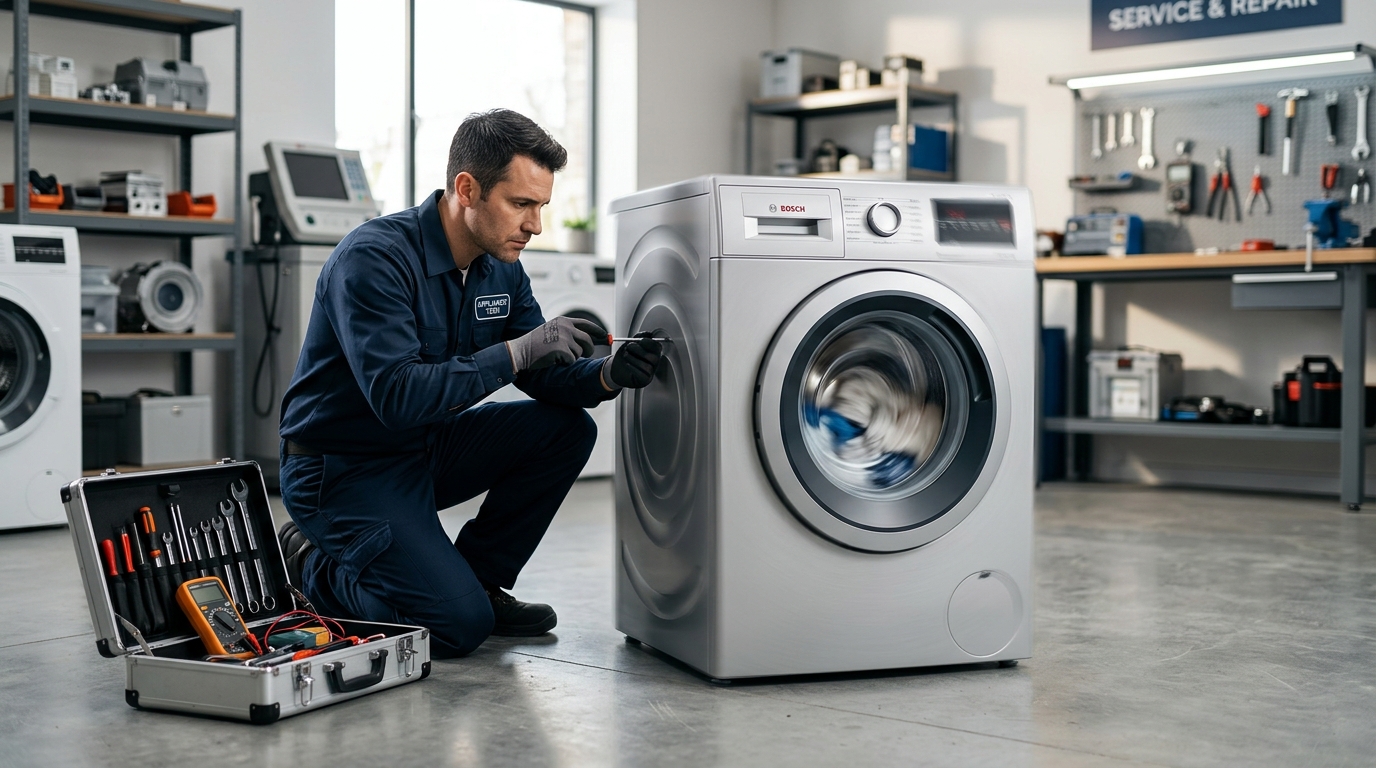
If you suspect a faulty drive belt, consult a professional washing machine service. A technician can assess the condition of the belt and replace it if necessary, ensuring optimal performance during the spin cycle.
4. Faulty Lid Switch
Many washing machines are designed with a lid switch that ensures the lid is closed before the spin cycle activates. If this switch malfunctions, the machine may not spin at all.
Solution: Test the Lid Switch
To check the lid switch, use a multimeter to test for continuity. If it does not show continuity when the lid is closed, it likely needs replacement. Seek assistance from a qualified technician for this washing machine repair to ensure safety and accuracy.
5. Motor or Control Board Issues
Ultimately, problems with the motor or control board can prevent the washing machine from spinning properly. If the machine seems to function well in other cycles but not during the spin cycle, these components may be at fault.
Solution: Professional Diagnosis
Diagnosing motor or control board issues requires expertise. If you suspect a problem with these components, it is advisable to contact a professional washing machine repair service. They have the necessary tools and experience to accurately identify the issue and recommend appropriate solutions.
Preventive Measures to Avoid Spin Cycle Problems
While understanding the causes and solutions to spin cycle problems is essential, proactive maintenance can minimize the occurrence of these issues.
1. Regular Maintenance
Perform routine maintenance on your washing machine, including cleaning the lint filter and checking hoses for wear. Regular cleaning helps ensure optimal performance.
2. Load Size Management
Adhere to the manufacturer's guidelines regarding load size. Overloading not only affects the spin cycle but can also damage the machine in the long run.
3. Proper Use of Detergents
Use the recommended amount of detergent; too much can lead to excess suds, affecting the spin cycle's efficiency. Opt for high-efficiency (HE) detergents for HE machines to prevent suds buildup.
4. Periodic Professional Inspections
Consider scheduling periodic inspections with a qualified technician. Regular check-ups can help identify potential problems before they escalate, ensuring your machine remains in good working condition.
Conclusion
Washing machine spin cycle problems can be frustrating, but understanding their causes and solutions can mitigate these issues. From unbalanced loads to motor malfunctions, being aware of the root causes allows you to take appropriate action. Regular maintenance and timely professional servicing can ensure your washing machine operates efficiently, prolonging its life and enhancing your laundry experience. For those in need of expert assistance, consider reaching out to a Washing Machine Repair Service to address any ongoing concerns. By taking these proactive steps, you can enjoy the reliability and convenience of your washing machine for many years to come.