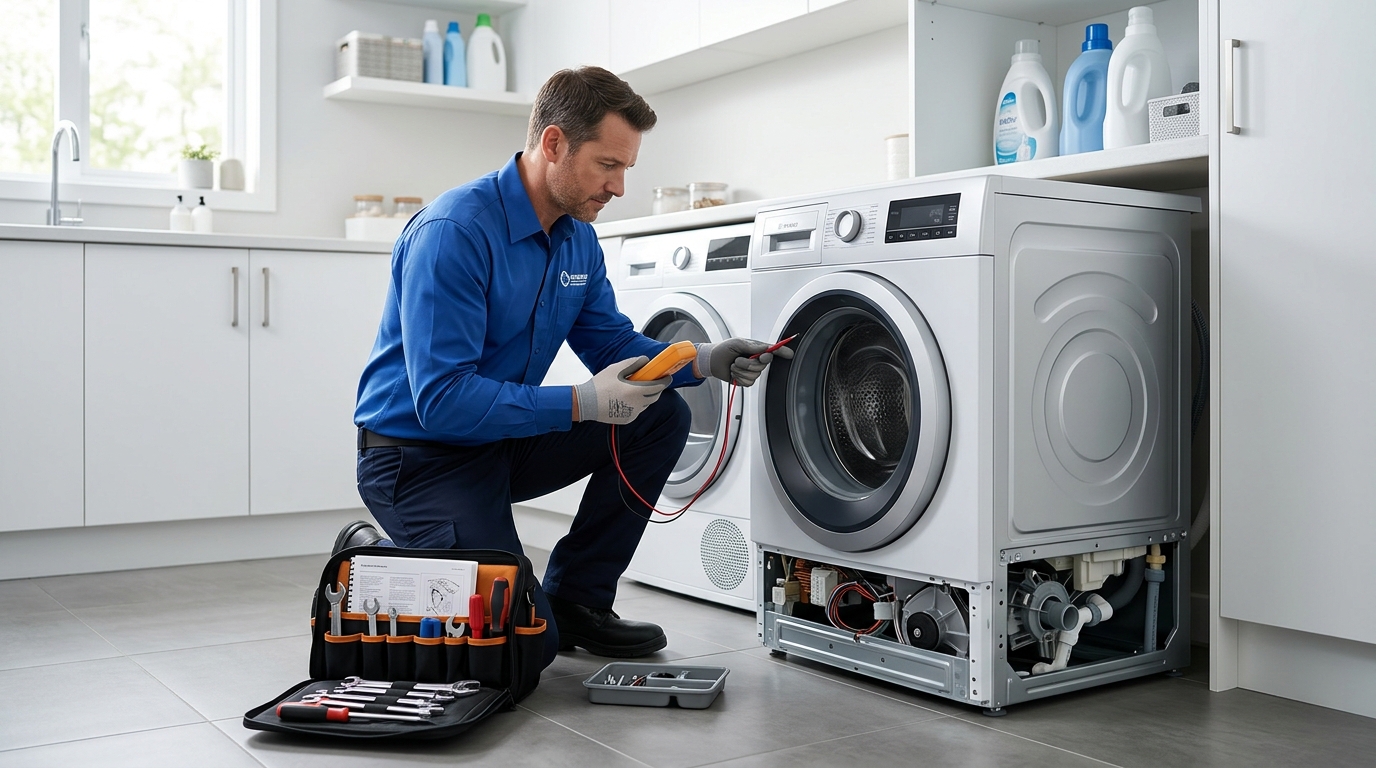
Washing Machine Troubleshooting Guide: Common Problems and Solutions
When it comes to household appliances, few are as essential as the washing machine. A malfunctioning washer can lead to significant inconvenience, laundry piling up, and frustration. Understanding common washing machine issues and their solutions is crucial for any homeowner. This guide aims to provide practical insights into troubleshooting washing machine problems, along with recommendations for professional washing machine service when required.
Understanding Common Washing Machine Issues
Washing machines can develop a variety of problems, ranging from minor inconveniences to serious malfunctions. Below are some of the most common issues that users encounter:
1. Washing Machine Won't Start
One of the most frustrating problems is when the washing machine simply refuses to start. This can stem from multiple causes, including: - Power Issues: Check if the machine is plugged in and that the outlet is functioning. A blown fuse or tripped circuit breaker can also prevent the machine from starting. - Door Lock Issues: Many washing machines have safety features that prevent them from running if the door is not securely closed. Ensure the door is properly latched. - Control Panel Malfunctions: A faulty control panel can disrupt the machine's ability to start. If all else checks out, this might require professional assistance.
2. Water Leaking from the Machine
Water leakage can cause substantial damage to your laundry area. Common reasons for leaks include: - Hose Problems: Inspect the water supply and drainage hoses for any signs of wear or damage. Tighten hose connections if they are loose. - Door Seal Issues: A worn or damaged door seal can lead to leaks during cycles. Check for any tears or debris in the seal that may prevent a proper seal. - Pump Issues: Defective pumps can also result in water leakage. If you suspect a pump issue, consider contacting a Washing Machine Repair Service.
3. Unpleasant Odors
If your washing machine emits foul smells, the problem is likely due to: - Mold and Mildew Buildup: Over time, moisture can lead to mold in various parts of the machine, especially rubber seals and inside the drum. Regular cleaning and leaving the door open between washes can help mitigate this issue. - Dirty Detergent Dispenser: Residues from detergent and fabric softener can create unpleasant odors. Clean the dispenser regularly to avoid buildup.
4. Clothes Not Clean After Washing
If your clothes come out of the wash still dirty, it can be frustrating. This issue can arise from several factors: - Incorrect Loading: Overloading the washing machine can limit its ability to clean clothes effectively. Ensure that you follow the manufacturer's guidelines regarding load sizes. - Detergent Issues: Using the wrong type or insufficient amounts of detergent can lead to poor washing results. Ensure that you are using the correct detergent for your washing machine type. - Cycle Selection: Selecting the appropriate wash cycle is crucial for optimal cleaning. Ensure you are using the right settings based on the fabric type and soil level.
5. Excessive Noise During Operation
Washing machines are typically designed to operate quietly. If yours is making unusual noises, investigate the following: - Foreign Objects: Items such as coins, buttons, or small toys can become lodged in the drum or pump, producing noise. Check the drum before starting a load. - Worn Bearings: A more serious issue that can cause noise is worn bearings or damaged motor components. This issue often requires professional assessment and repair.
Effective Solutions and Preventative Measures
While troubleshooting can resolve many washing machine issues, some problems may require the expertise of a professional. Here are some effective solutions and preventive measures to consider:
DIY Solutions
For minor issues, you may be able to address problems without professional help: - Regular Maintenance: Schedule regular maintenance checks to clean and inspect your washing machine. This can help prevent minor issues from escalating into major repairs. - Educate Yourself: Familiarize yourself with your washing machine's user manual. Understanding the features and functions can help you troubleshoot effectively.
When to Call for Professional Service
If the problem persists after troubleshooting, it may be time to seek professional assistance. An experienced technician can diagnose complex issues that are not easily identifiable. Services like Washing Machine Repair can provide reliable solutions tailored to your specific washing machine model.
Conclusion
A washing machine is an indispensable part of modern laundry routines, and maintaining its functionality is essential for a smooth household operation. By understanding the common problems discussed in this guide and implementing the suggested solutions, you can often resolve issues independently. However, do not hesitate to seek professional washing machine service if you encounter persistent problems. Regular maintenance and prompt attention to issues can prolong the lifespan of your appliance and ensure efficient washing performance.
Keeping your washing machine in good working order will not only save you time and money but also ensure that your laundry experience remains pleasant and hassle-free.
Related Posts
- Understanding Refrigerator Repair: Finding the Right Fridge Technician Near You
- Keeping Your Cool: A Personal Journey Through Refrigerator Repair
- Finding Reliable Fridge Service in Kolkata: Your Ultimate Guide
- Mastering the Art of Microwave Oven Repair: Your Complete Guide
- Choosing the Right AC Service: Your Comprehensive Guide to AC Repair and Maintenance