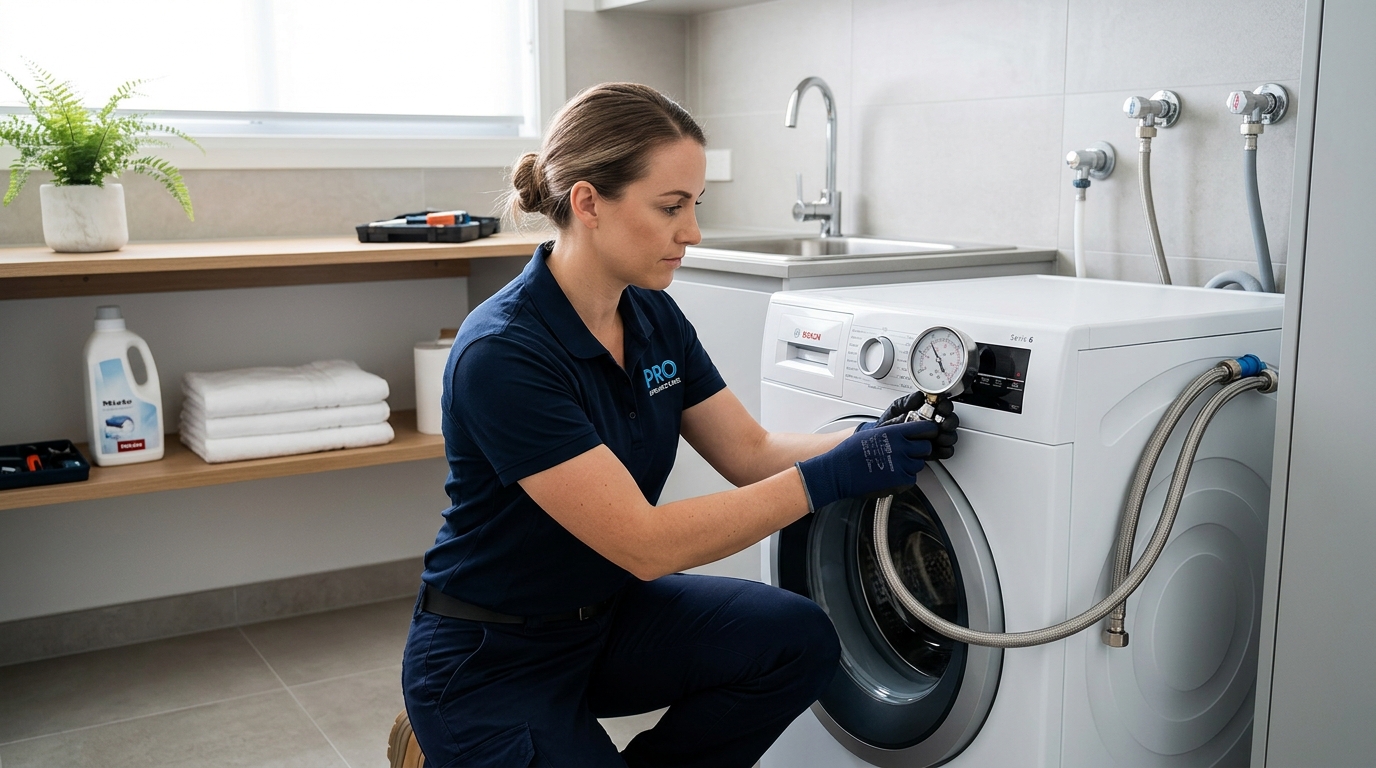
Washing Machine Water Pressure Problems: Causes and Solutions
Washing machines have become an indispensable part of modern households. When these machines malfunction, particularly due to water pressure issues, it can disrupt daily life significantly. Understanding the causes and solutions of washing machine water pressure problems is essential for maintaining the efficiency and longevity of your appliance.
Understanding Water Pressure in Washing Machines
Water pressure is the force that pushes water into your washing machine. This pressure is vital for ensuring that the machine fills appropriately, rinses clothes effectively, and operates as intended. Insufficient or excessive water pressure can lead to various issues, potentially impairing the machine's functionality.
Causes of Low Water Pressure in Washing Machines
1. Clogged Water Supply Hoses
One of the most common causes of low water pressure is clogged supply hoses. Over time, mineral deposits, dirt, and debris can accumulate within these hoses, reducing the flow of water. Regular inspection and cleaning of the hoses can help prevent this issue.
2. Faulty Water Inlet Valve
The water inlet valve controls the amount of water entering the washing machine. If this valve is malfunctioning, it may not allow sufficient water to flow into the appliance. In such cases, consulting a washing machine repair expert can help identify and resolve the issue effectively.
3. Issues with Home Water Supply
Sometimes, the problem lies not within the washing machine but with the home’s water supply. Low water pressure throughout the home could stem from issues such as pipe blockages, leaks, or even municipal supply problems. It's essential to diagnose the source of low pressure accurately.
4. Incorrect Installation
Improper installation of the washing machine can lead to water pressure issues. If the machine is not level or if the hoses are incorrectly hooked up, it can affect the water supply. Ensuring a proper setup is crucial for optimal performance.
Diagnosing Water Pressure Problems
To effectively address water pressure issues, it is essential to diagnose the problem accurately. Here are some steps that can help identify the root cause:
1. Inspect Hoses and Connections
Start by examining the water supply hoses for any visible blockages or kinks. Ensure that they are connected securely to both the machine and the water supply. If kinks are present, reposition the hoses to allow for better flow.
2. Check the Water Inlet Valve
Locate the water inlet valve and inspect it for any signs of wear and tear. If you notice any irregularities, it might be time to replace the valve. This process is usually straightforward and can often be handled by a qualified technician as part of a washing machine service.
3. Monitor Home Water Pressure
Utilizing a pressure gauge can help you measure the water pressure in your home. If you find that the pressure is consistently low, you may need to investigate further into your plumbing system or contact your water supplier for assistance.
4. Evaluate Installation Setup
If the washing machine was recently installed, review the setup. Verify that the machine is level and that all connections are secure. A properly installed washing machine will function efficiently, reducing the chances of water pressure problems.
Solutions to Water Pressure Issues
1. Clean or Replace Hoses
If the inspection reveals clogged hoses, cleaning them may resolve the issue. In cases of severe blockage, replacing the hoses entirely may be necessary. Opt for high-quality hoses to ensure longevity and reliable performance.
2. Replace the Water Inlet Valve
In instances where the water inlet valve is defective, consider replacing it. This task can often be performed as part of routine maintenance and is crucial for restoring normal water flow.
3. Address Home Plumbing Issues
For persistent low water pressure, you may need to engage a professional plumber. They will be able to identify and rectify plumbing issues that could be contributing to the problem. Whether it's fixing leaks, clearing blockages, or restoring proper pressure, professional assistance can be invaluable.
4. Ensure Proper Installation
If installation issues are identified, correcting them is essential. Ensure that the washing machine is level, and all connections are secure. If unsure, hiring a washing machine repair service can provide peace of mind and ensure that the appliance is set up correctly.
Preventative Measures for Maintaining Water Pressure
Preventing water pressure problems before they arise can save time and money in the long run. Here are some preventative measures:
1. Regular Maintenance
Schedule routine inspections for your washing machine. Regular maintenance can help identify potential issues before they become significant problems, ensuring that your appliance continues to function optimally.
2. Use Water Softener
If you live in an area with hard water, consider using a water softener. Hard water can lead to mineral buildup in hoses and valves, contributing to reduced water pressure. A softener can mitigate this issue effectively.
3. Monitor Water Usage
Be mindful of water usage throughout your home. Excessive simultaneous water use can lead to temporary dips in water pressure. Try to stagger heavy water usage times, such as running multiple appliances at once, to avoid overwhelming the system.
4. Inspect Supply Lines
Periodically check your home’s plumbing supply lines. Look for signs of wear, leaks, or blockages. Addressing these issues early can help maintain proper water pressure throughout your household.
Conclusion
Washing machine water pressure problems can be frustrating and disruptive. Understanding the causes, diagnosing the issues, and implementing effective solutions can help restore functionality to your appliance. Regular maintenance, proper installation, and vigilance in monitoring your home's water supply can prevent many issues from arising in the first place.
If you find yourself struggling with persistent water pressure problems, consider reaching out to a professional washing machine repair service. These experts can provide tailored solutions to ensure your washing machine operates at peak performance, safeguarding your investment and simplifying your laundry routine.
For further assistance, you can explore comprehensive support through our Washing Machine Repair Service options.