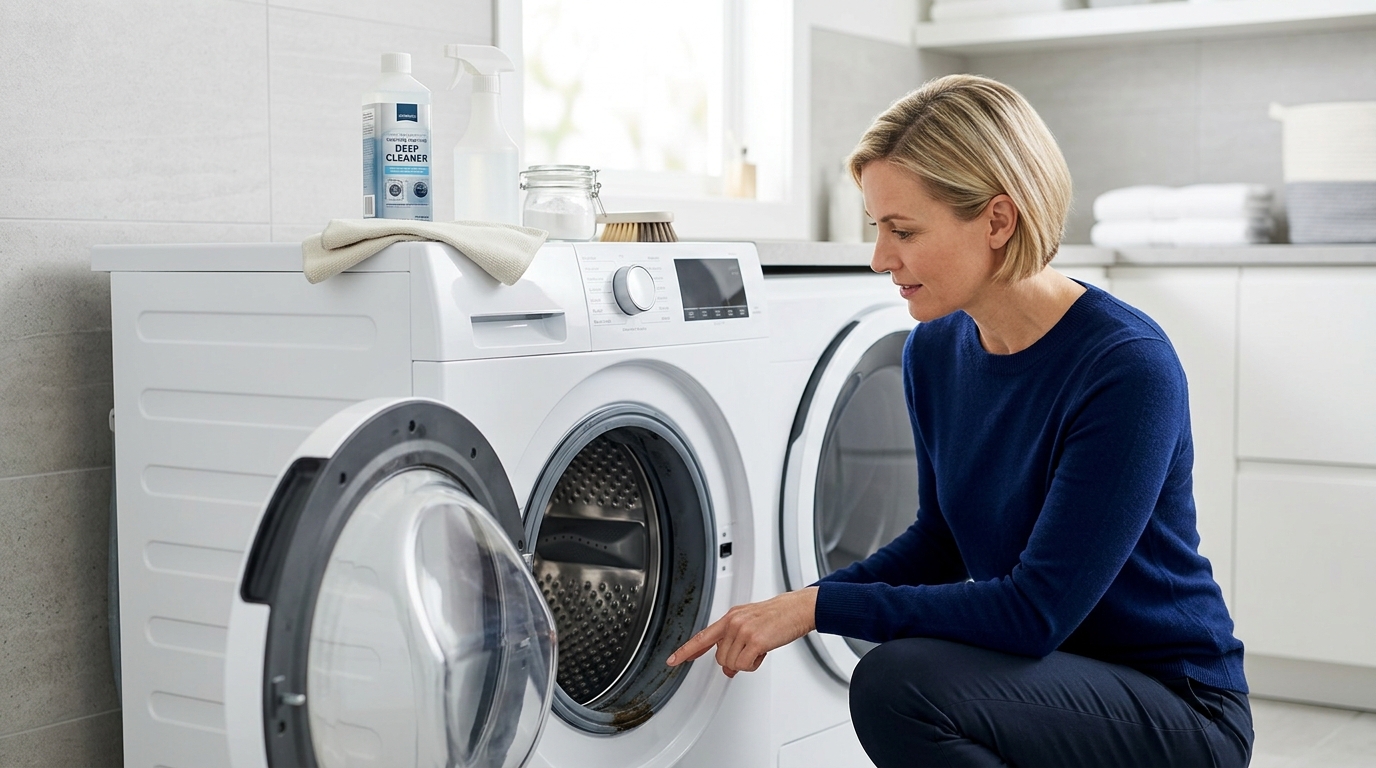
Why Does a Washing Machine Smell Bad? Causes and Cleaning Tips
Washing machines are indispensable appliances in modern households, streamlining the process of cleaning clothes. However, one common issue that many owners encounter is a foul odor emanating from the appliance. Understanding the reasons behind this unpleasant scent and knowing how to address it is crucial for maintaining your washing machine's efficiency and prolonging its lifespan. This article delves into the causes of bad smells in washing machines and offers practical cleaning tips to ensure your appliance remains fresh and effective.
Common Causes of Bad Odor in Washing Machines
1. Mold and Mildew Accumulation
One of the primary causes of unpleasant smells in a washing machine is the accumulation of mold and mildew. These fungi thrive in damp environments, making your washing machine a perfect breeding ground, especially if it is frequently left closed after use. The trapped moisture, combined with detergent residues, creates an environment conducive to mold growth.
To prevent mold and mildew from developing, always leave the washing machine door ajar after use to allow air circulation. This simple step can significantly reduce moisture levels inside the drum.
2. Dirty Washing Machine Components
Another factor contributing to bad odors is the buildup of dirt and grime in various parts of the washing machine. Components such as the detergent drawer, door seal, and drum can accumulate residues over time. This buildup not only causes foul smells but can also affect your washing machine's performance.
Regularly inspecting and cleaning these components is essential. Pay close attention to the detergent drawer, where soap scum and fabric softener residues can thrive. Remove the drawer and clean it thoroughly with warm, soapy water to eliminate buildup.
3. Plumbing Issues
In some cases, the smell might be due to underlying plumbing issues. Clogs or blockages in the drainage system can cause water to stagnate, leading to foul odors. If you notice a persistent bad smell even after cleaning, it might be wise to consult a professional washing machine service to diagnose potential plumbing problems.
4. Using Too Much Detergent
While it may seem counterintuitive, using too much detergent can actually lead to a smelly washing machine. Excess detergent does not rinse away completely and can contribute to the buildup of residues that harbor bacteria and mold. Always follow the manufacturer’s recommendations regarding detergent usage to maintain optimal performance and odor-free operation.
5. Hard Water Deposits
Hard water can lead to mineral buildup within your washing machine, which may contribute to unpleasant odors. This occurs when calcium and magnesium from hard water combine with soap and other residues, creating a smelly sludge that can line the inner workings of the machine.
To combat this issue, consider using a water softener or periodically running a cleaning cycle with vinegar to dissolve mineral deposits.
Cleaning Tips to Eliminate Odors
1. Run a Cleaning Cycle
Many modern washing machines come with a dedicated cleaning cycle designed to help maintain the appliance’s freshness. Use this feature regularly, ideally once a month. If your machine does not have a cleaning cycle, you can run a hot water cycle with white vinegar or a commercial washing machine cleaner to remove odors and residues effectively.
2. Clean the Rubber Door Seal
The rubber door seal is particularly prone to mold and mildew buildup due to moisture retention. Wipe it down regularly with a mixture of equal parts water and vinegar or a mild detergent. Ensure that you pay close attention to the crevices where mold tends to collect. This simple step can drastically reduce odors in your washing machine.
3. Maintain the Detergent Drawer
As mentioned earlier, the detergent drawer is a hotspot for residue buildup. Take the time to remove it and wash it thoroughly every few weeks to prevent bad smells from developing. Ensure it is completely dry before reinserting it into the washing machine.
4. Ensure Proper Ventilation
To combat moisture buildup, ensure that your laundry area is well-ventilated. If possible, use a dehumidifier or open windows to promote airflow. This will help reduce humidity levels, making it less likely for mold and mildew to thrive in your washing machine.
5. Use Baking Soda
Baking soda is an effective natural deodorizer and can be used to maintain a fresh-smelling washing machine. Sprinkle half a cup of baking soda into the drum and run a hot cycle. This will help neutralize odors and break down residues that may be causing unpleasant scents.
When to Seek Professional Help
In situations where odors persist despite your cleaning efforts, it is advisable to seek professional assistance. A qualified Washing Machine Repair Service can carry out a thorough inspection and identify any technical issues that may be contributing to the problem.
In addition, if you suspect plumbing issues, a professional can diagnose the cause of the odors and recommend appropriate solutions.
Conclusion
Maintaining a fresh-smelling washing machine is achievable through regular cleaning and attention to detail. Understanding the common causes of bad smells and implementing proactive measures can help to ensure your appliance operates efficiently and effectively. By incorporating the cleaning tips outlined in this article, you can prevent the buildup of mold, mildew, and residues that contribute to unpleasant odors. If problems persist, do not hesitate to consult a professional washing machine service for expert assistance.
By following these guidelines, you can enjoy the full benefits of your washing machine without the distraction of unpleasant smells, ensuring that your laundry routine remains a positive experience.